From prototype
to production.
Our NPI team takes your new product from first documents to a shipped first article, with a proven process and one quality system from start to finish.
An NPI partner in the heart of Silicon Valley.
We work with designers and product developers to understand your requirements, build an effective strategy and add value at every step of the NPI process, for medical device, semiconductor capital equipment, robotics, optics and data storage products.
Whether you are onshoring manufacturing to the Bay Area, prototyping a new assembly or fixing build issues from a previous supplier, our team becomes an extension of yours.
Five steps from RFQ to first article
One team, one quality system, from your first documents to a shipped first article.
- 01
RFQ and requirements
Sales captures your requirements and sets up the project. Sales, the NPI program manager and a manufacturing engineer align on the quoting strategy: priorities, risks, sourcing and approach.
- 02
Documentation and risk review
We check that technical data is complete and at the correct revision, and run an NPI checklist with an engineering documentation risk assessment before quoting.
- 03
Quotation
Your quote lists part numbers and revisions, materials and processes, special inspection or test requirements, customer-supplied material, delivery schedule and any exceptions.
- 04
Production readiness
After your PO is reviewed against our proposal, Sales, Program Management, Quality, Purchasing, Production and Engineering meet to launch the build. Documents are released through our change process.
- 05
First build and lessons learned
NPI is complete once all action items are closed and the first article has shipped. Every new build ends with a postmortem review to capture lessons learned.
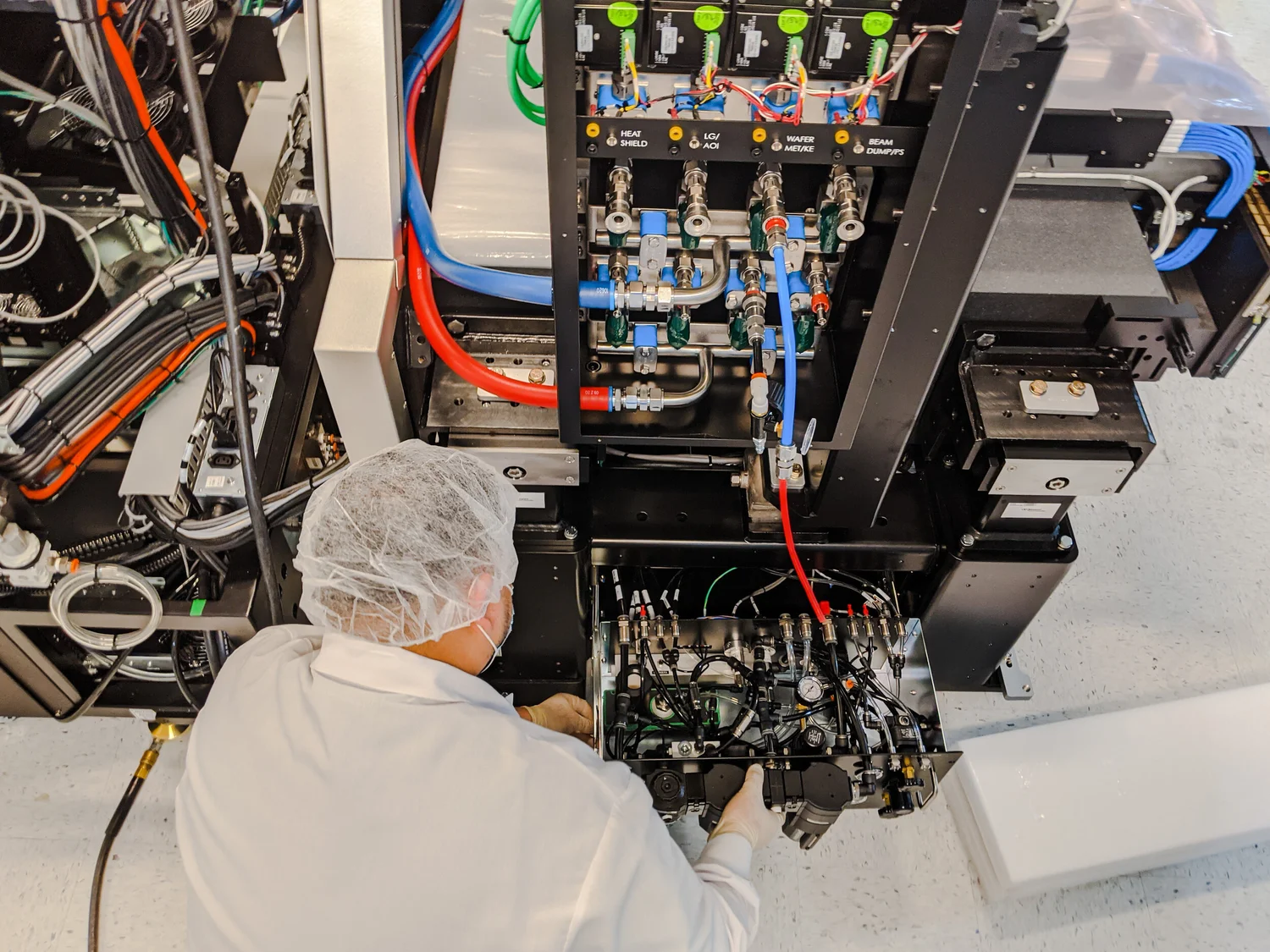
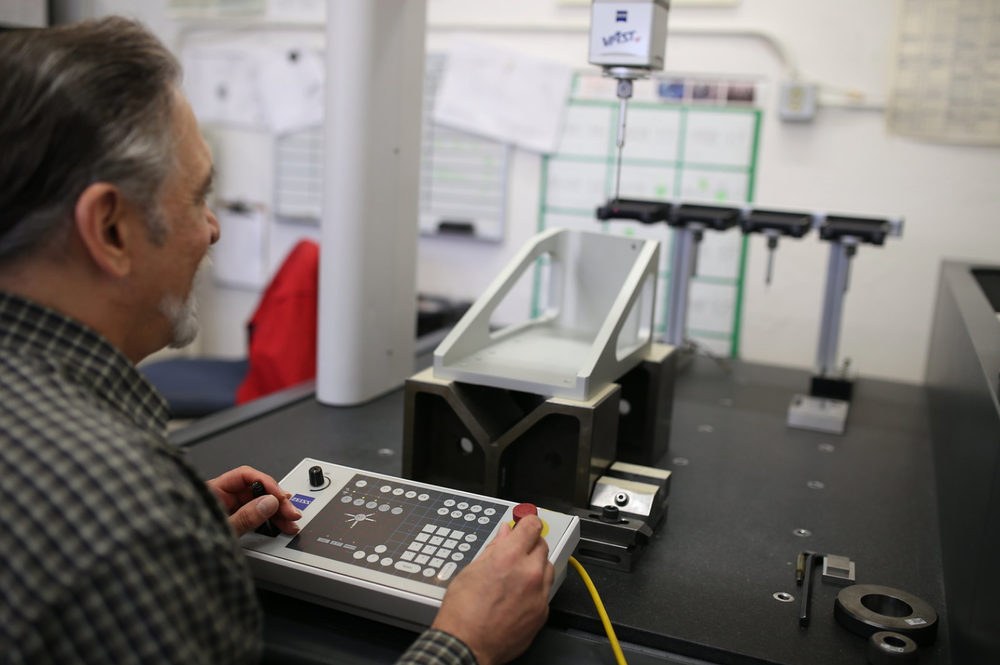
Built to your print. Reviewed by our engineers.
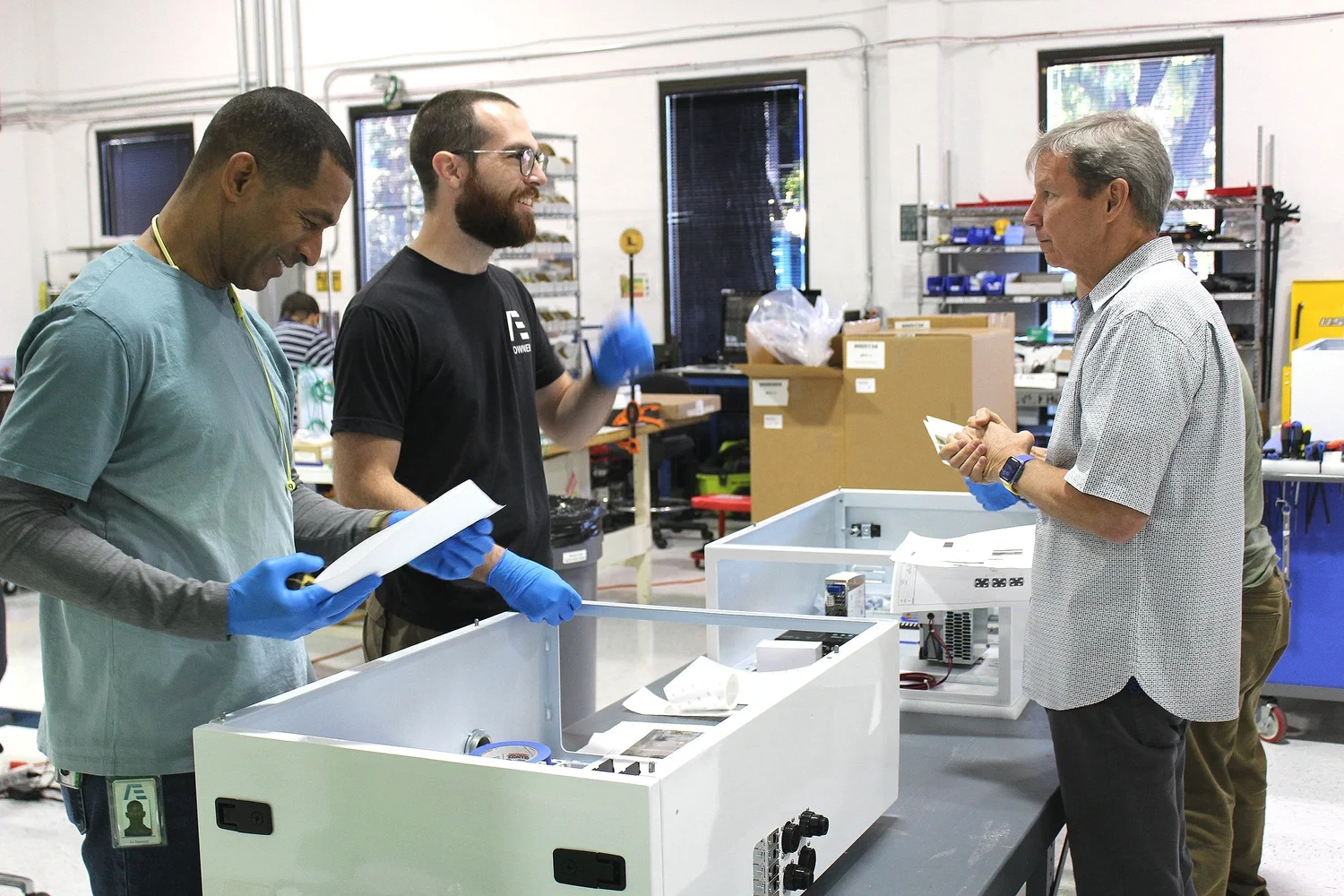
We build to your design, and our engineers review it for manufacturability, cost and scale before production.
- Documentation and revision reviewEvery project
- Bill of materials and make-or-buyEngineering
- Manufacturing process instructionsDeveloped in-house
- Engineering change controlFormal ECO process
Questions about NPI and quality
What happens when we send you an RFQ?
Sales captures your requirements and sets up the project, then Sales, the NPI program manager and a manufacturing engineer meet to align on the quoting strategy. That meeting covers your priorities (price, lead time, complexity), risks, sourcing and the overall approach.
How do you assess the risk of a new project?
Every new project goes through an NPI checklist that includes a documentation readiness review and an engineering documentation risk assessment. Overall risk is rated low, medium or high, and if a risk is not acceptable we ask you for clarification before quoting.
What do you review in our drawings and documentation?
We check that technical data is complete and at the correct revision, and confirm we can meet the lead time, technical, production and inspection requirements, including metrology. Engineering builds the bill of materials, makes the make-or-buy decisions and performs a technical risk assessment. Anything we cannot meet is listed as an exception on the quotation.
What does your quotation include?
Part numbers and revision levels, materials and processes, estimated quantities and pricing, special requirements such as inspection, test or serialization, required documentation such as Certificates of Conformance, and any customer-supplied material. Exceptions, packaging, delivery schedule and terms are stated as well.
What happens after we place a purchase order?
We review your PO against our proposal for scope, cost and lead time, and resolve any mismatch with you before acceptance. A production readiness meeting then brings together every department involved, documents are released through our engineering change process, and long-lead material is ordered early when needed.
Can you help when our design is not finished?
Yes. We build to your design, and our engineers review it for manufacturability. When you need design support, we manage qualified design consultants through a phased process with design reviews, and you approve each phase gate before anything is released for manufacturing.
How do you control documents and revisions?
All controlled documents are stored electronically and nothing is used until it is released through our engineering change process. Superseded revisions are removed from production use, and when we modify a customer drawing we never change your base revision; we add an AE revision suffix instead.
How do you inspect incoming material and control quality during production?
Received parts are checked against the purchase order and inspected using statistical sampling to ANSI/ASQ Z1.4. In-process inspections are recorded on the build record, no part moves on until it passes, and a final inspection must pass before a lot ships. Only calibrated equipment traceable to recognized standards is used for recorded measurements.
What happens when a part does not conform?
The part is marked, segregated and dispositioned by our Material Review Board: scrap, return to vendor, rework or use-as-is. Use-as-is for any defect affecting form, fit or function requires your approval, and reworked parts are re-inspected.
How do you run corrective actions?
We use the 8D problem-solving method, with root-cause tools such as 5 Whys, fishbone diagrams and Pareto analysis, and potentially affected lots are contained. Each 8D is reviewed for completeness and its effectiveness is verified over time. Customer-format CAPA reports are available on request.
How do you qualify suppliers and train operators?
Suppliers are approved on past performance, questionnaires, audits and trial orders, and rated every year on delivery and quality. Every position has a defined job description, and job skills are certified by master trainers through written and hands-on tests focused on first-time quality.
When is the NPI phase complete?
NPI is complete once all action items are closed and the first article has shipped. Every new build ends with a postmortem review to capture lessons learned, with follow-up meetings scheduled as needed.
Bring us your next product.
Share what you need, how many and when. Our team gets back to you shortly.