Your robots,
built in the U.S.
We assemble, wire, integrate and test robots for companies that want to manufacture in America, without building a factory of their own.
Your American robot factory, ready on day one.
For more than four decades, Applied Engineering has built the complex electromechanical systems behind Silicon Valley hardware. Today, robotics companies use the same floor, quality system and NPI team to bring their robots to production in the U.S.
Since 2021, we have taken robotics startups from first prototype to volume production.
Every kind of robot your team designs
From sub-assemblies to complete systems, under one quality system.
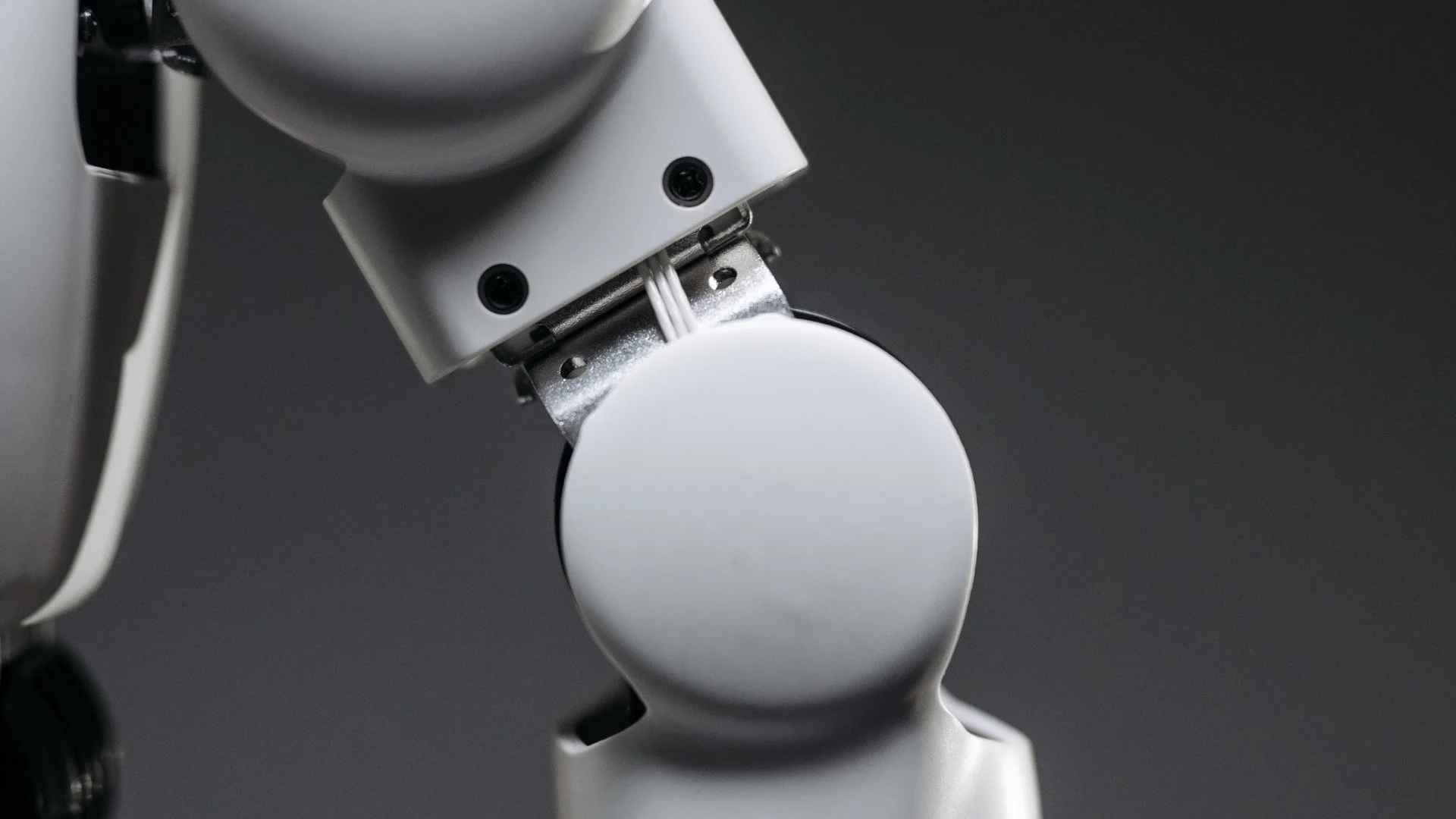
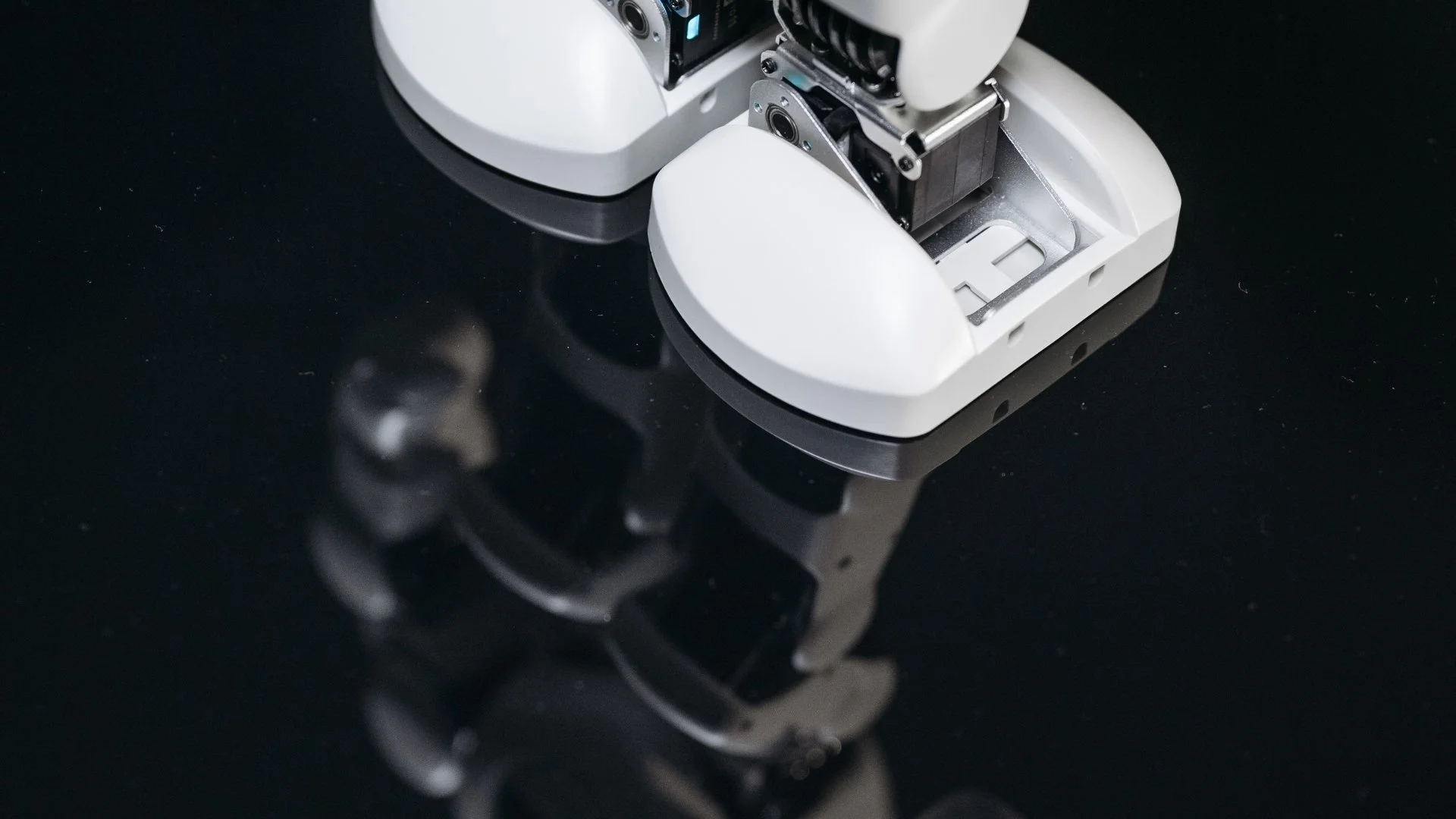
Humanoid robots
Actuator modules, harnesses and full-body integration.
Legged and mobile robots
Drive, battery and sensor integration, wiring and end-of-line test.
Cobots and robotic arms
Joint and arm assembly, cable routing and controller integration.
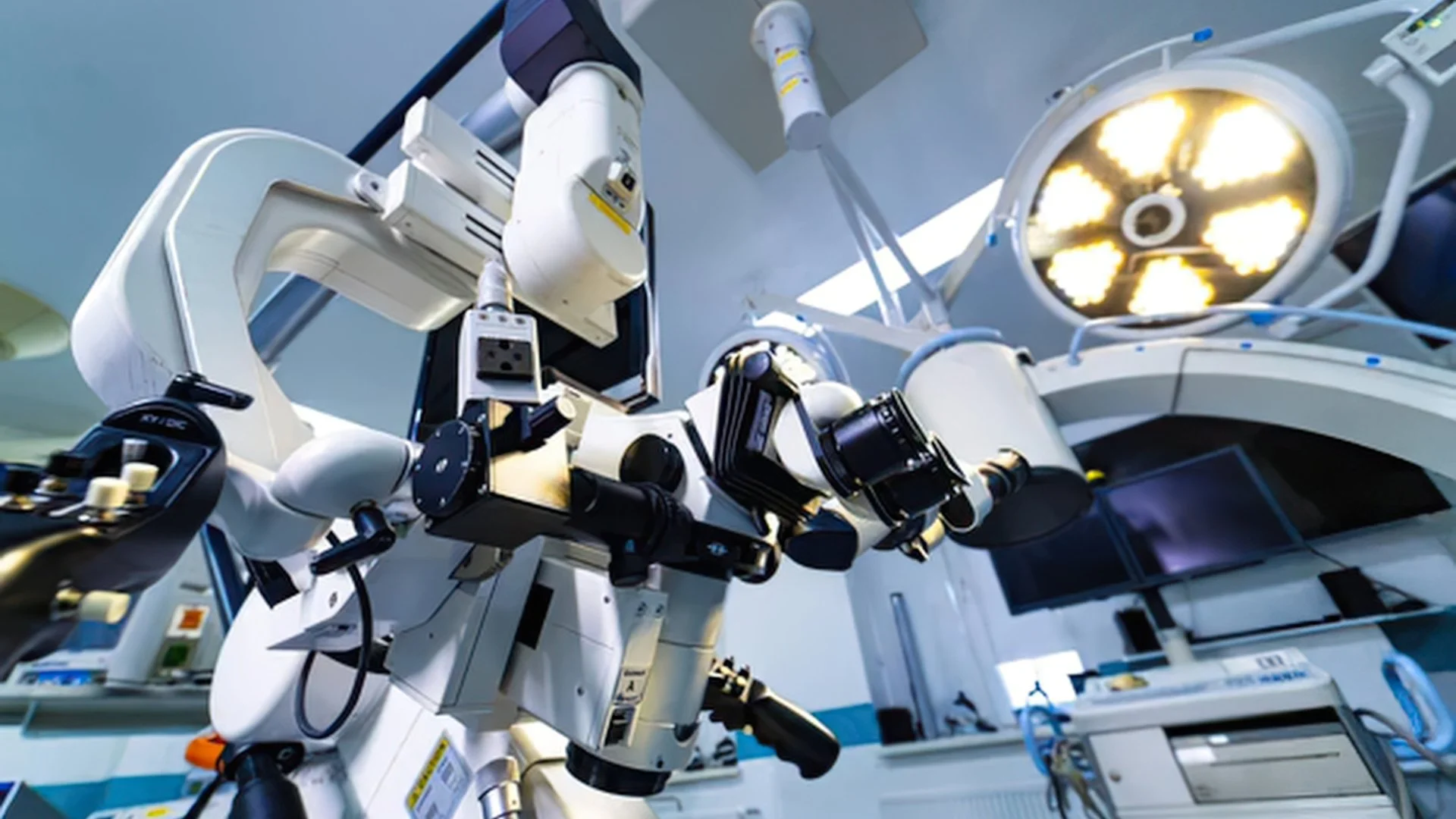
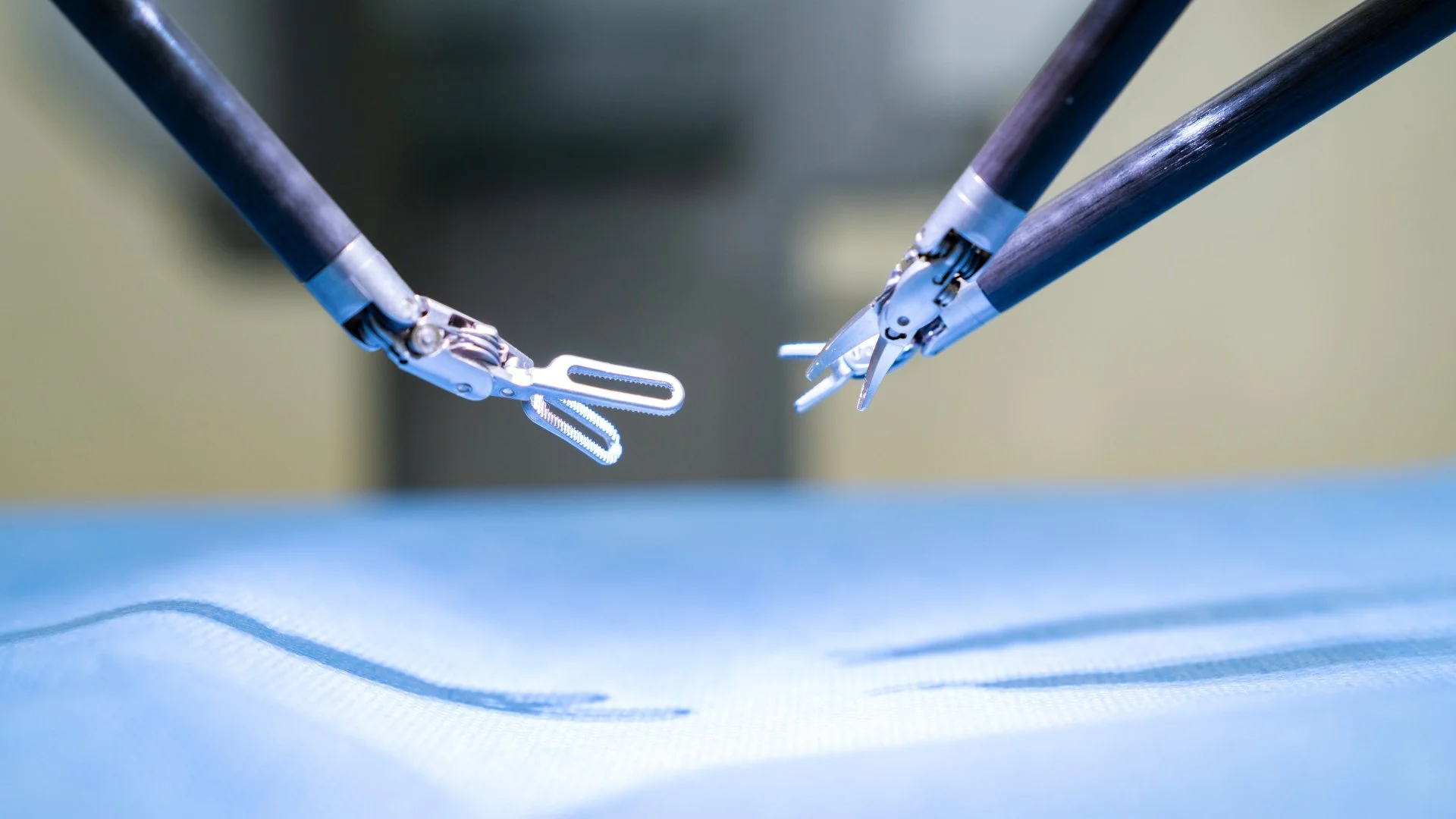
Surgical robots
Built under ISO 13485:2016, in clean room environments.
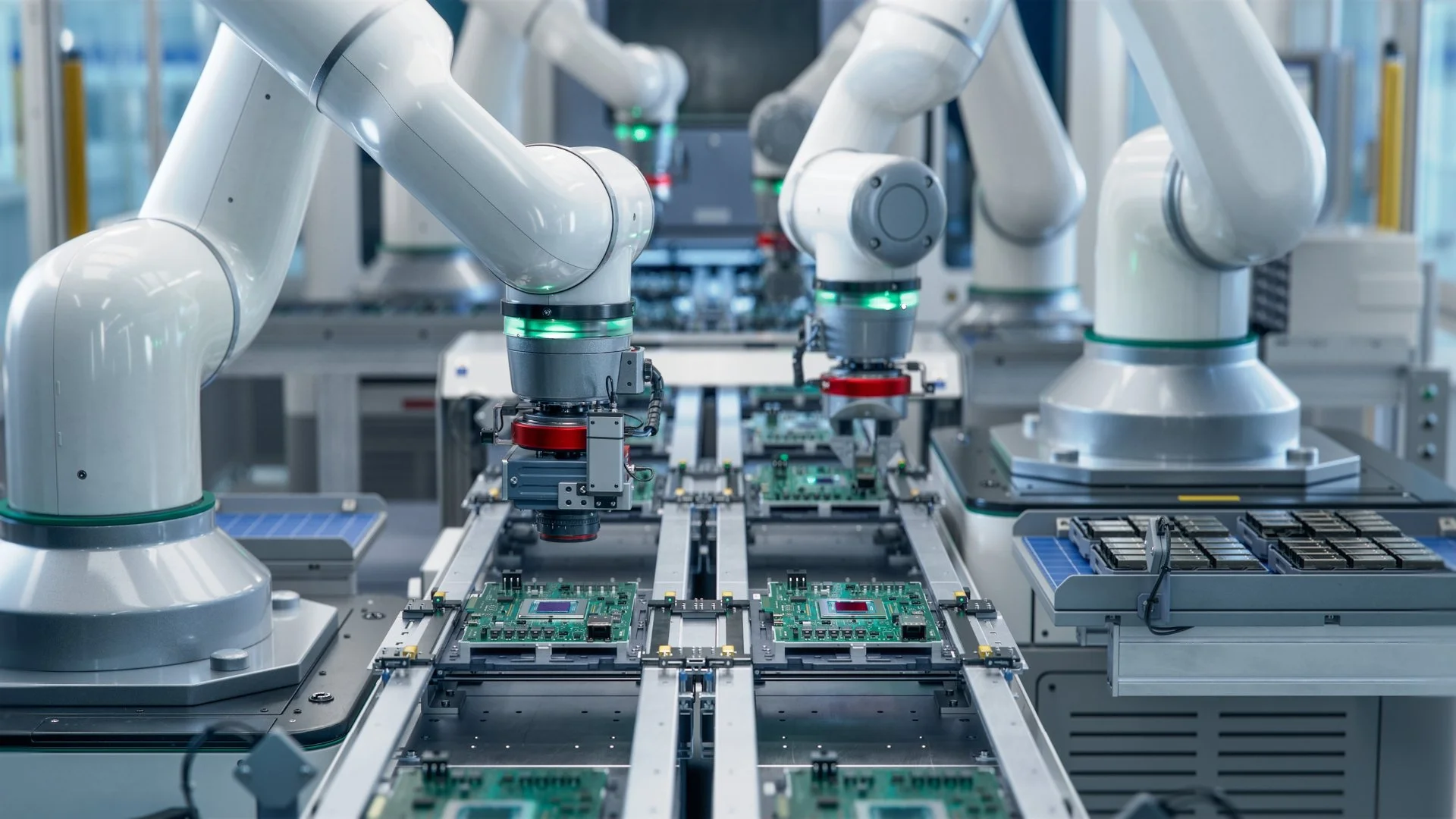
Semiconductor and electronics automation
Wafer handlers, precision stages and motion assemblies.
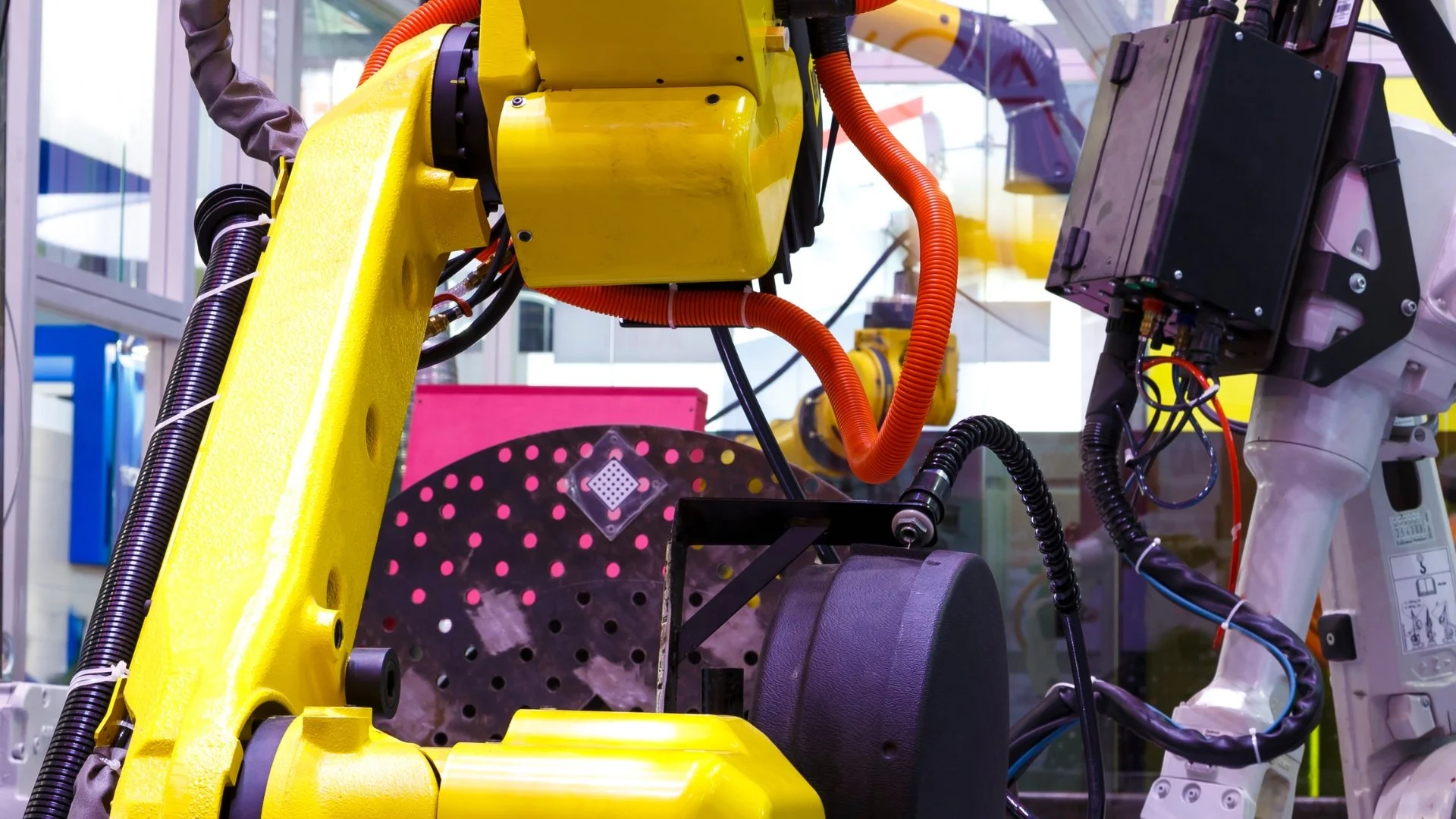
Industrial robots
Electromechanical assembly and system-level testing.
Bring us the robot you want built in the U.S.
Share what you need, how many and when. Our team gets back to you shortly.
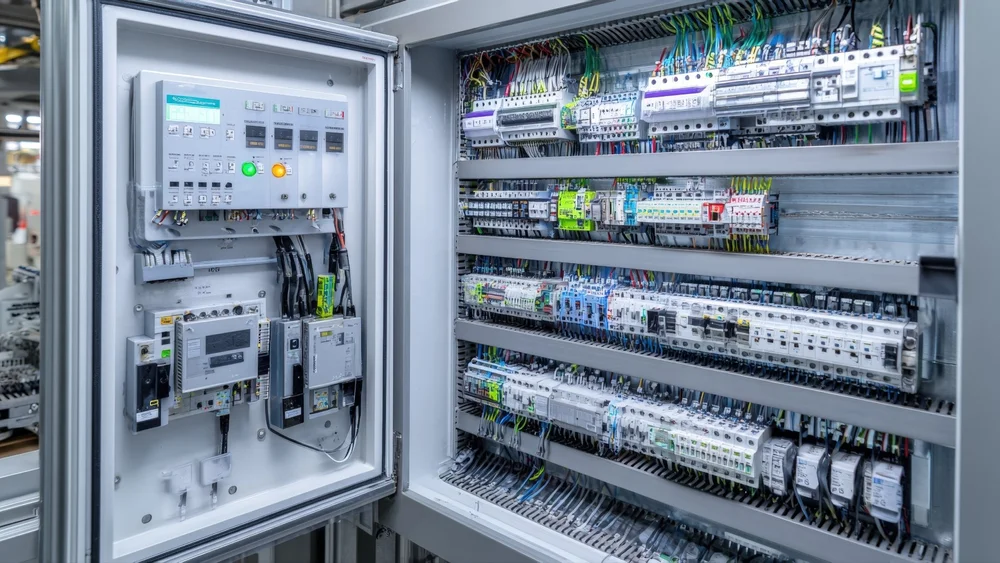
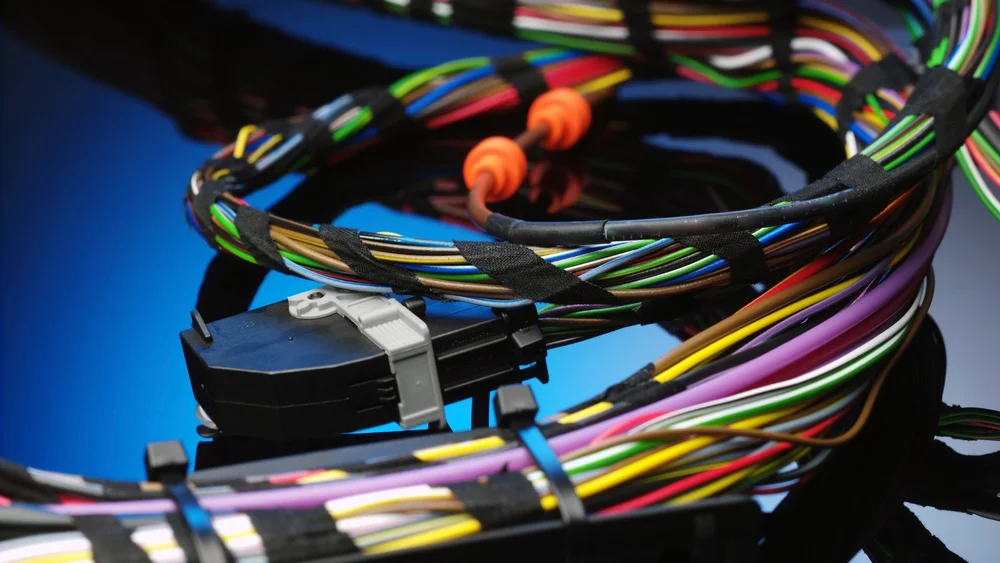
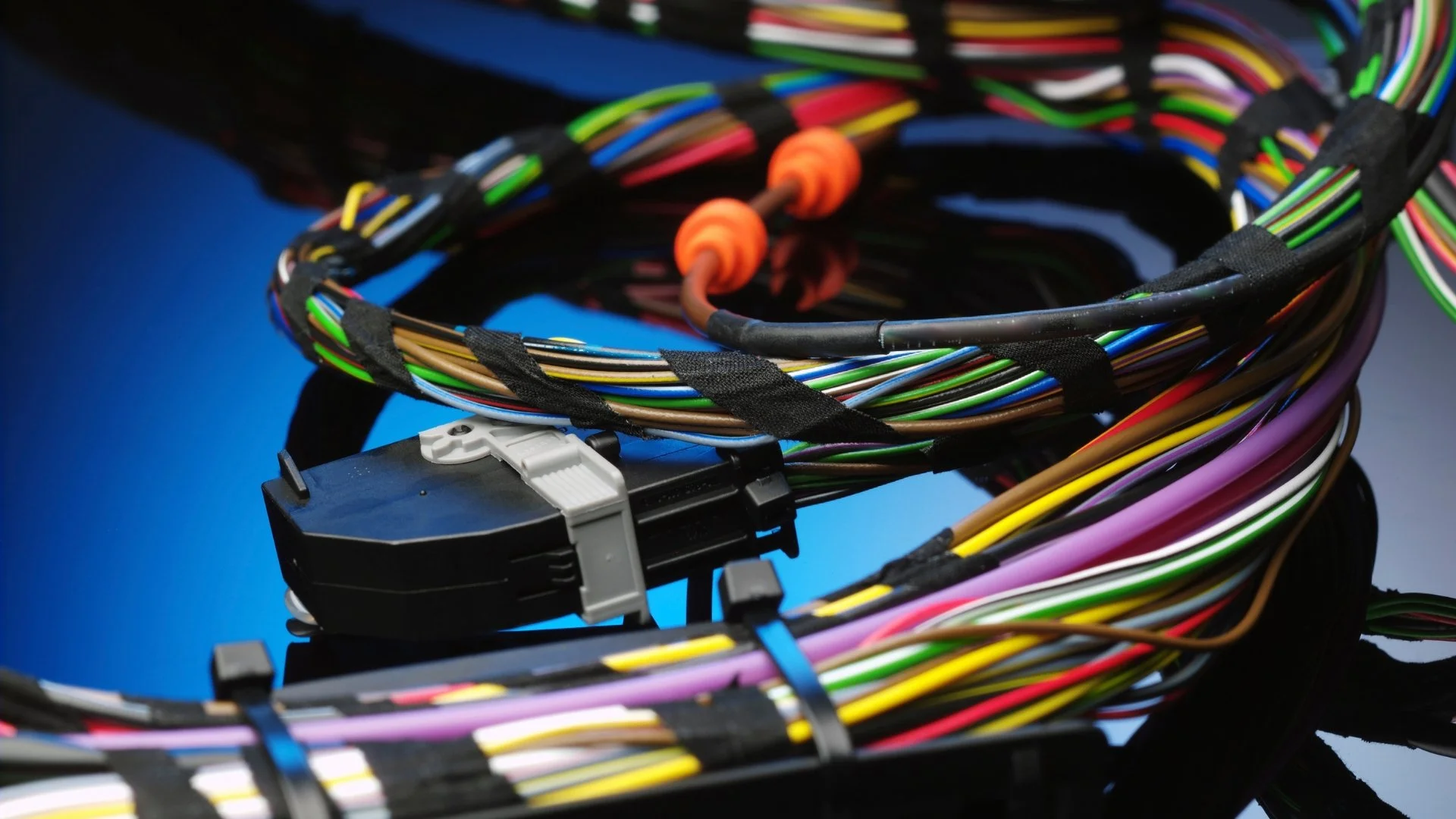
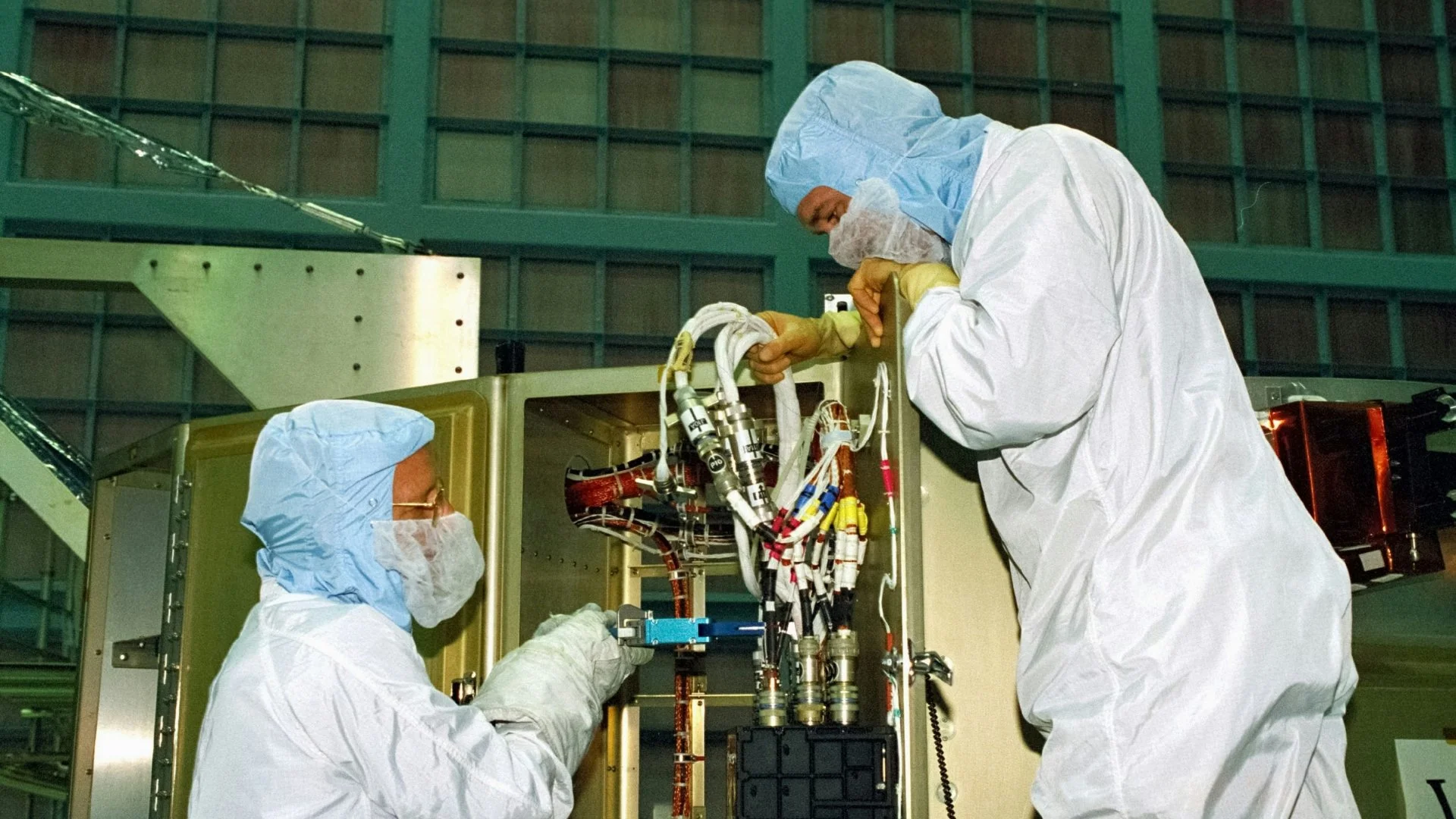
The wiring is where robots succeed or fail.
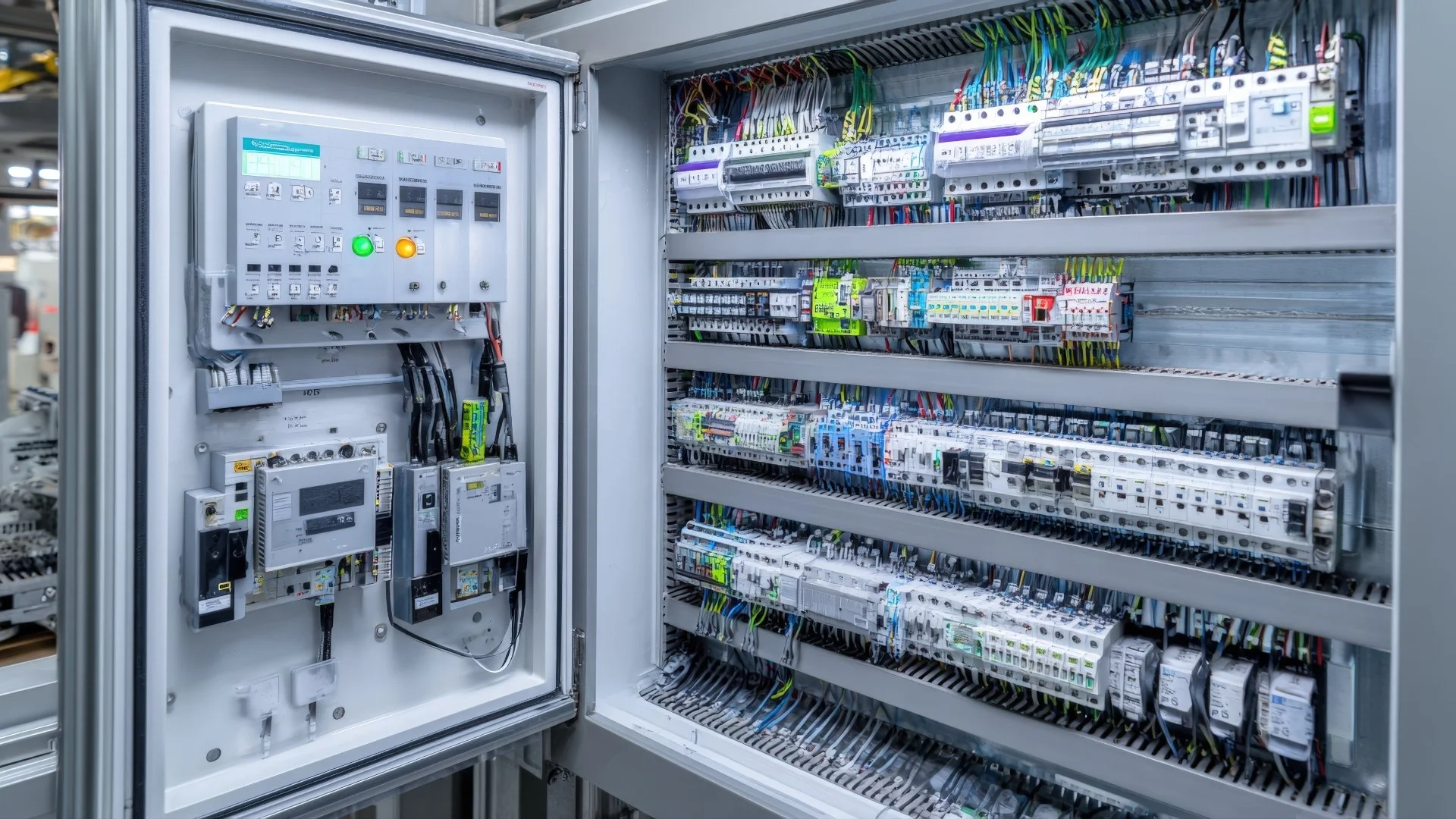
Cable harnesses, control panels, PDUs and precision coils are built in-house, so every robot leaves our floor wired, integrated and tested as one system.
- Cable harnesses and routingIn-house
- Control panels and PDUsUL508A registered
- Clean room assemblyClass 10,000 to 100
- System-level functional testBefore every shipment
From your design to a shipped robot
One team, one quality system, five steps. You keep the design. We take it to production.
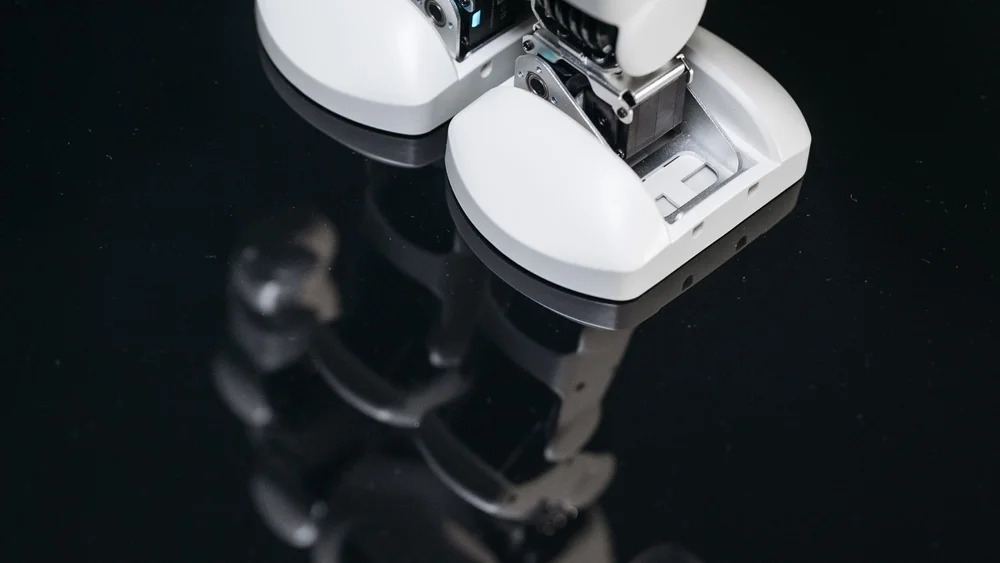
- 01
NPI and DFM
Our NPI team reviews your design for manufacturability, cost and scale.
- 02
Supply chain
Documentation control, sourcing and procurement of every BOM line.
- 03
Assembly and wiring
Mechanical assembly, cable harnesses, control panels and precision coils.
- 04
Integration
Motion, controls and software configured on every unit.
- 05
Test and ship
System-level functional test before your robot leaves our floor.
Where your robot is built now decides where it can be sold.
In July 2026, the FCC added foreign-produced advanced robotic devices to its Covered List. A U.S.-built robot keeps its path to American buyers open.
Read our analysis of the FCC restrictions →Market access
Keep your FCC authorization path open.
Tariffs
Final assembly in California, close to your customers.
Defense
ITAR registered for aerospace and defense programs.
No factory to build
Our NPI team and floor are ready from day one.
Certified to build your robots
One quality system, audited and certified, for every robot we build.
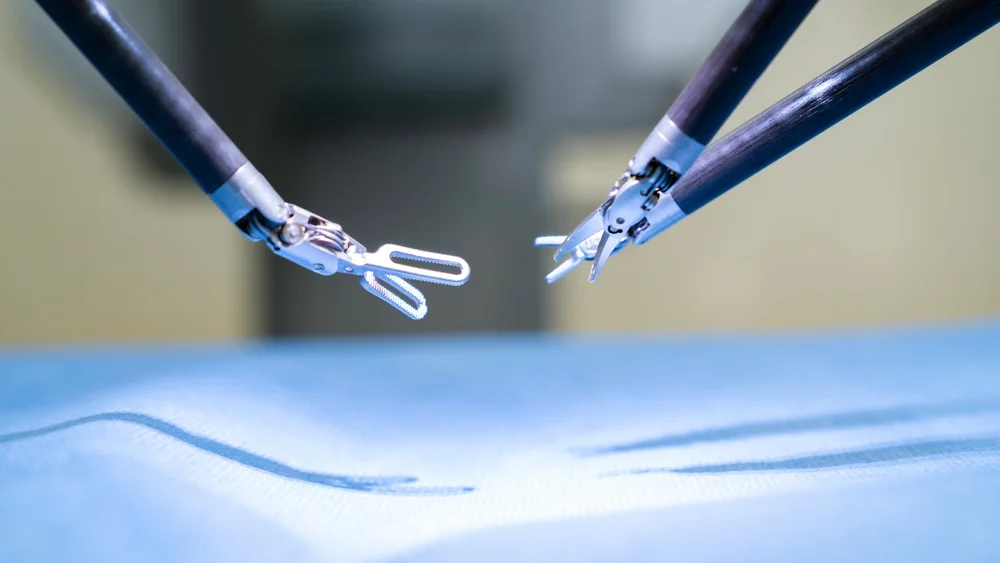
Medical and surgical robots
Built under a certified medical device quality system, in clean rooms from Class 10,000 to Class 100.
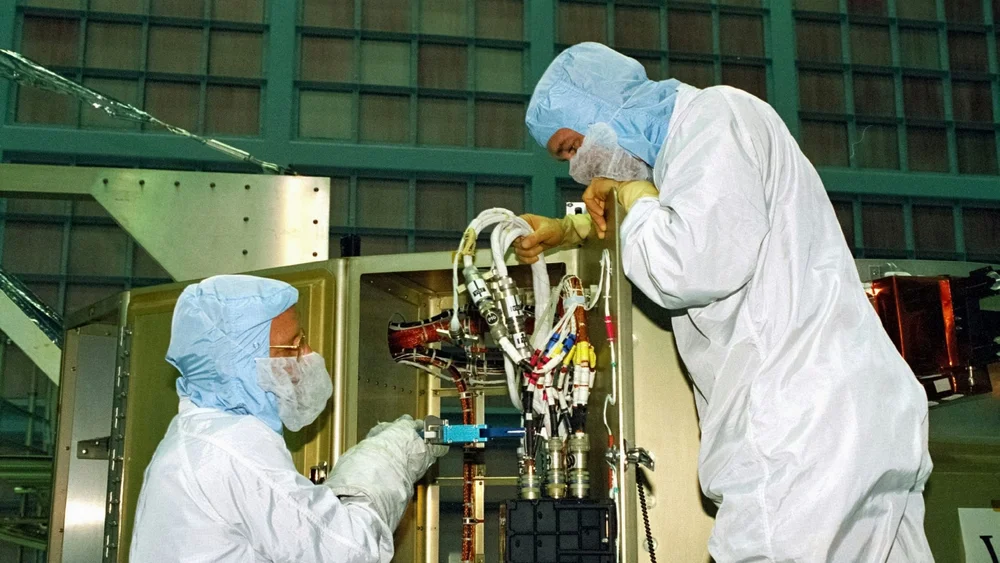
Aerospace and defense robots
Registered for defense programs, with the documentation control and traceability they require.
Control panels and PDUs
Industrial control panels and power distribution built and listed in-house for every robot.
- ISO 9001:2015Quality management system
- ISO 13485:2016Medical devices
- ITAR registeredDefense and aerospace
- UL508A registeredIndustrial control panels
Built in the U.S. Scaled in Asia.
NPI, prototypes and Made-in-USA production, next to your engineering team.
Our San Jose facility →Serving OEMs across Asia, and U.S. programs at high volume with the same tools, ERP, processes and document control.
Our Malaysia facility →Questions robotics teams ask us
What can Applied Engineering build for a robotics company?
We build robots and robotic subsystems to your specifications, from prototypes to volume production. Our capabilities include high-precision motion assembly, cable harnesses, control panels and box builds, clean room assembly and turnkey system-level integration, with final test validation for complex builds.
Can you build our robot if we are not a U.S. company?
Yes. Robotics companies come to us to build in the U.S. without opening their own factory. We handle NPI, sourcing, assembly, integration and test in San Jose, California, and can scale volume production in Penang, Malaysia under the same quality system.
Do you build prototypes or only volume production?
Both. We start with prototypes and pilot builds, with a change process designed for designs that are still evolving, then ramp to volume production in San Jose or Penang.
How is a robot or subsystem tested before it ships?
Testing is performed to your requirements and documentation, and includes point-to-point verification, functional testing and quality inspection. Every test result is documented and stored with the build, so records can be retrieved at any time.
Who signs off final inspection?
Final inspection is independent. The person who assembled a product cannot perform its final inspection, and neither can the person who tested it. This separation of duties is built into every build record.
Our design is still evolving. Can you build while it changes?
Yes. First builds follow a dedicated prototype change process, so your team can keep iterating. Any change to form, fit or function requires your approval, and changes are incorporated through formal engineering change orders, so configuration control is never bypassed.
Can we supply our own motors, controllers or other components?
Yes. Customer-supplied material is identified at the quoting stage and tracked separately, so it stays accounted for and traceable through shipping. On receipt, we check it for completeness, identification and transit damage, and anything lost, damaged or unsuitable is recorded and reported to you.
How do you manage serial numbers on robots and subsystems?
When a product requires serialization, the serial number is assigned and logged before assembly begins. It is recorded on the build record and applied as a label, and the inspector verifies that all three match at final inspection. Final serial numbers also appear on the shipping documents, linking every unit back to its build.
What certifications do you hold?
Our quality management system is certified to ISO 9001:2015 and ISO 13485:2016, and ITAR work is managed under a dedicated ITAR quality program. We also hold UL508A registration for industrial control panels.
How does the FCC Covered List affect foreign-built robots?
In July 2026, the FCC added certain foreign-produced advanced robotic devices to its Covered List, which can limit their authorization for the U.S. market. Building in the U.S. keeps that path open.