
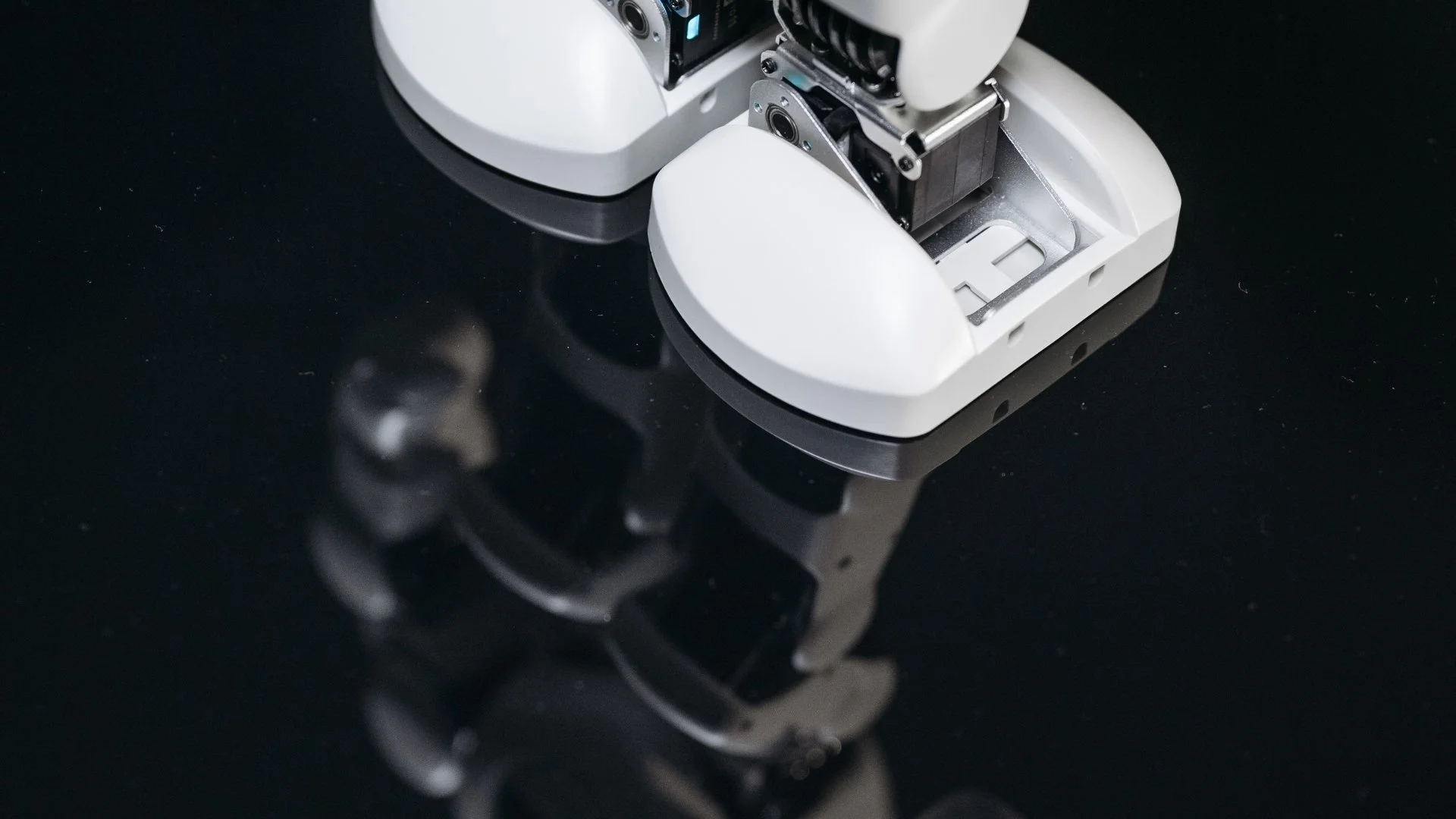

Cable harnesses
for robotics.
Custom cable harnesses, wiring and control panels for robots, built in-house and tested with the system they power.
The wiring is where robots succeed or fail.
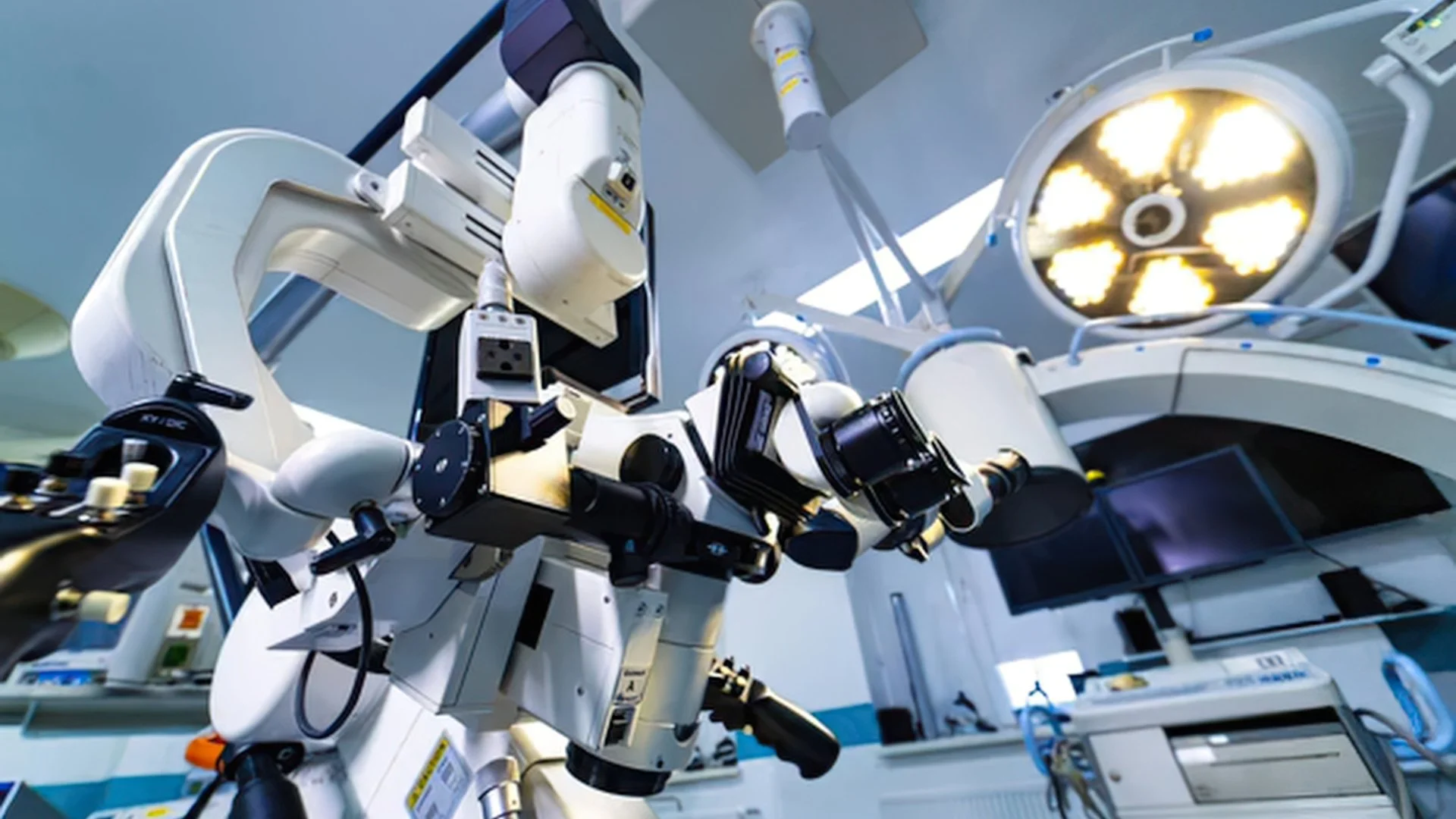
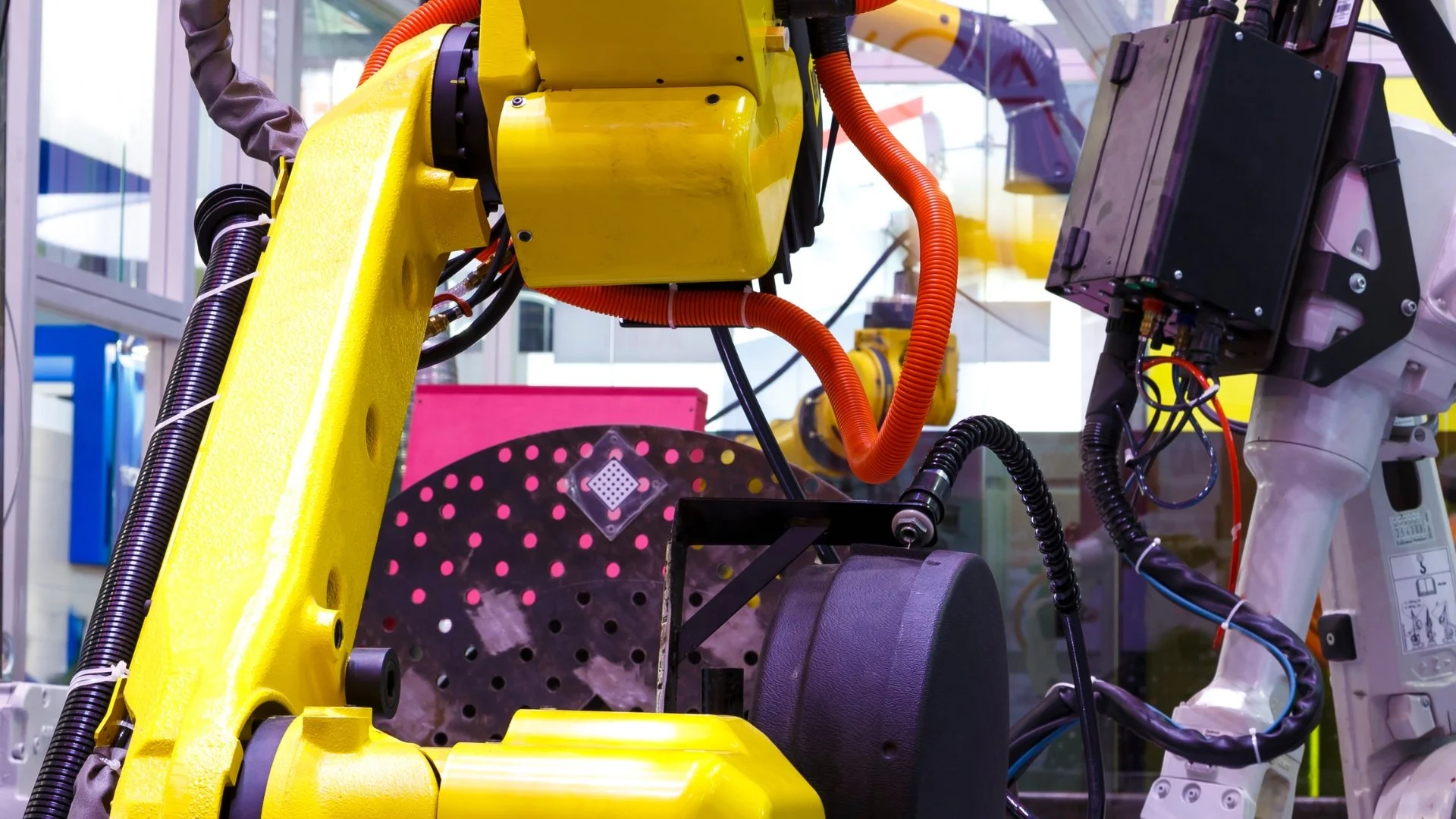
Robots move. Their harnesses bend through joints, carry power and signals side by side and have to survive millions of cycles. Applied Engineering builds them in-house, alongside the control panels and power distribution they connect to.
Because we also assemble and integrate the robot, every harness is tested in the system it was built for.
Harnesses, panels and power
Everything that connects your robot.
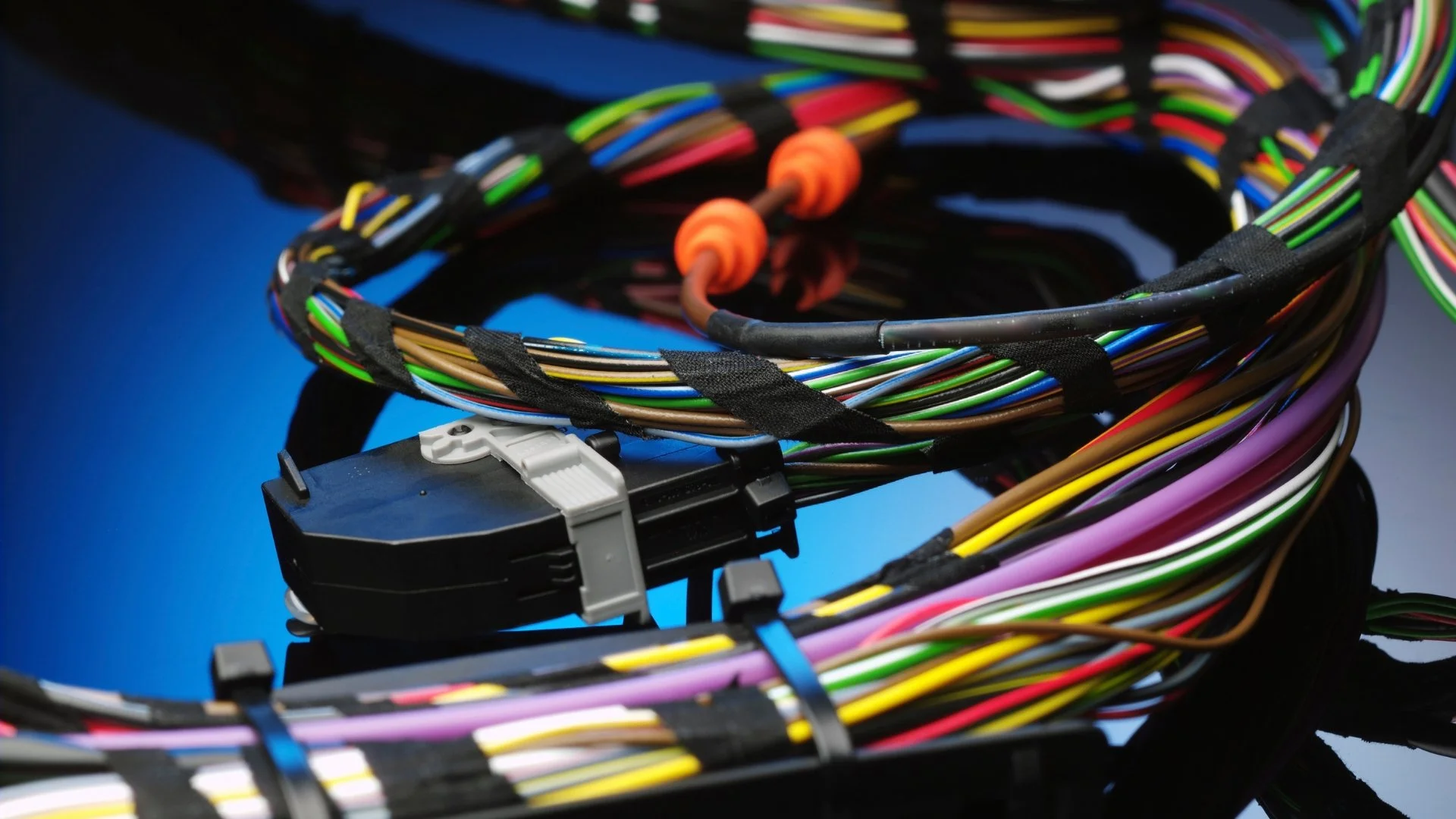
Custom cable harnesses
Built to your drawings, with full traceability.
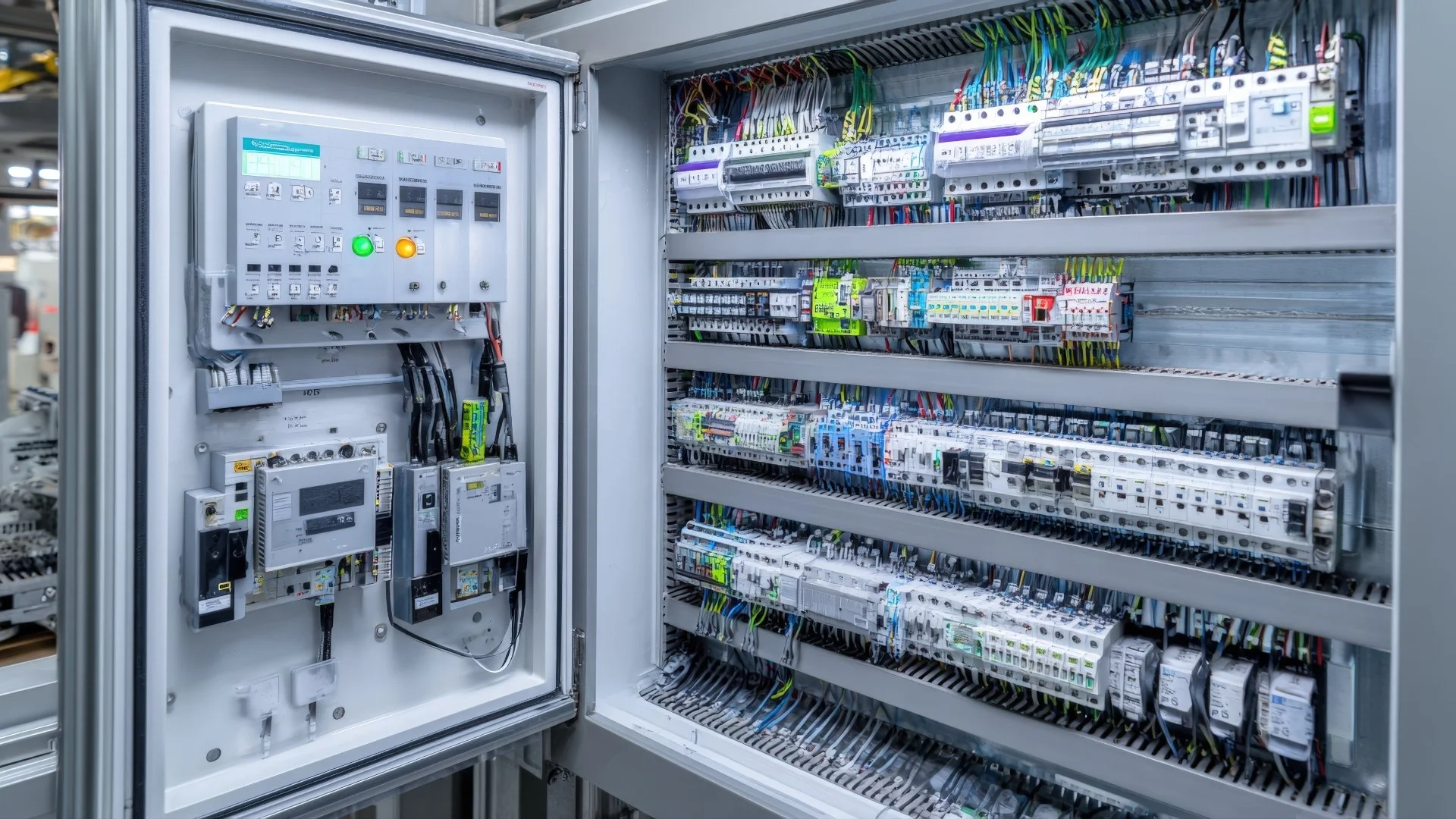
Control panels and PDUs
UL508A registered panel shop.
Robot and cell wiring
Routing, dressing and integration on the robot.
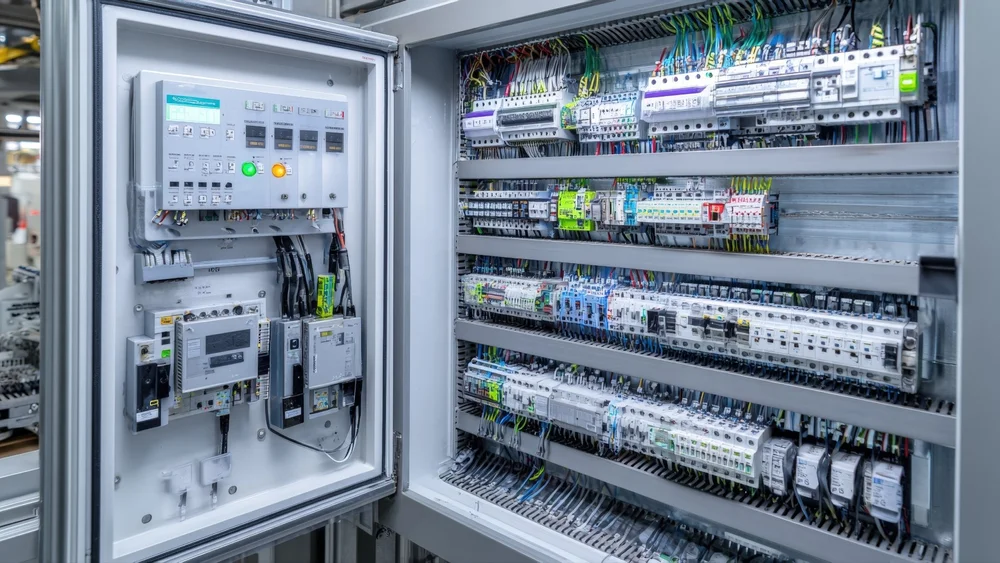
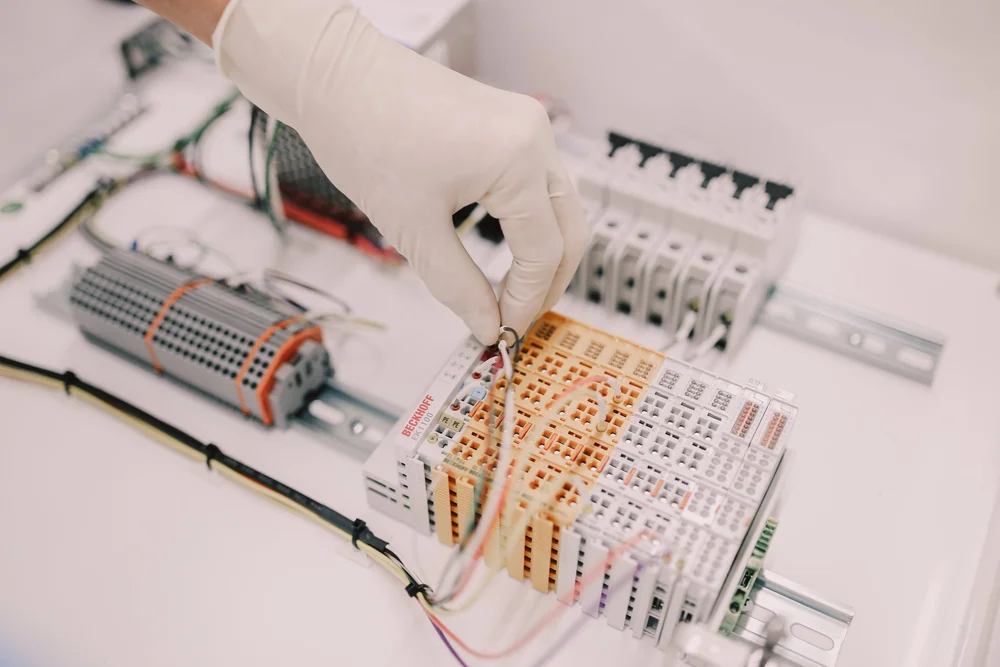
One partner from harness to tested robot.
Harness build, panel wiring and system integration under one quality system, in San Jose, California.
- Cable harnesses and routingIn-house
- Control panels and PDUsUL508A registered
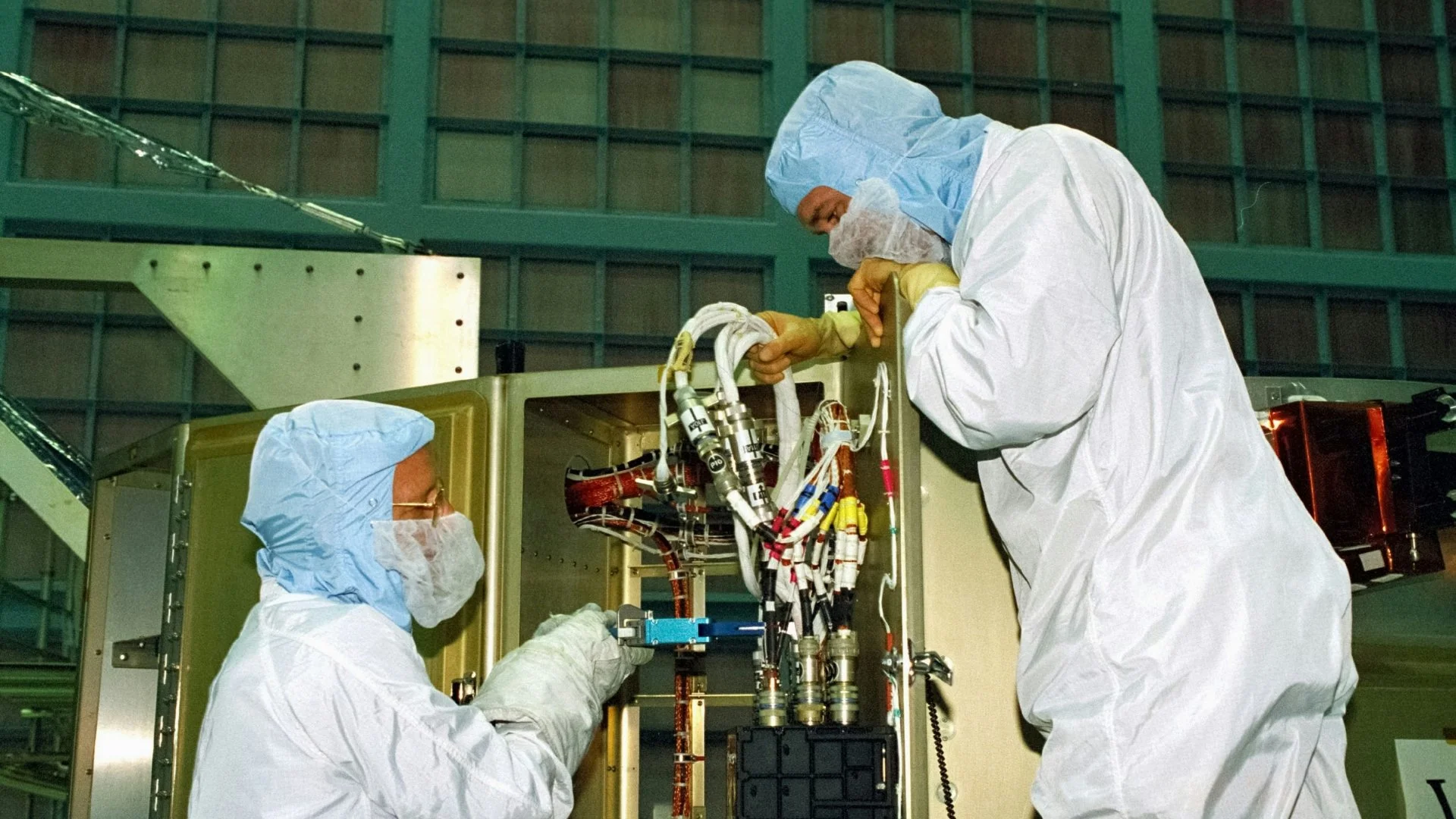
- Clean room assemblyClass 10,000 to 100
- Functional testBefore every shipment
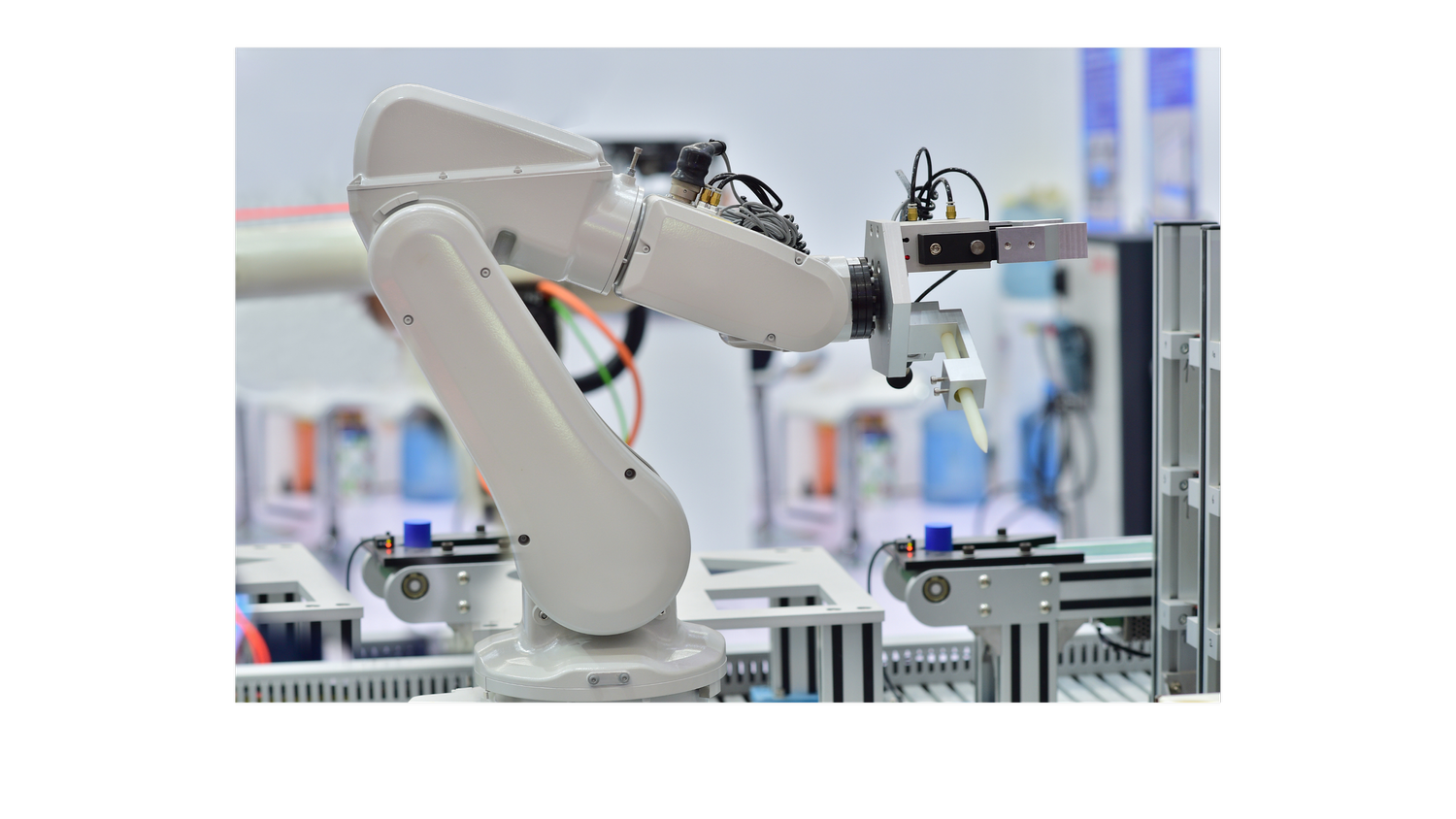
From your drawings to a wired robot
One team, one quality system, five steps. You keep the design. We take it to production.
- 01
NPI and DFM
Our NPI team reviews your design for manufacturability, cost and scale.
- 02
Supply chain
Documentation control, sourcing and procurement of every BOM line.
- 03
Assembly and wiring
Mechanical assembly, cable harnesses, control panels and precision coils.
- 04
Integration
Sub-assemblies brought together into a complete, configured system.
- 05
Test and ship
System-level functional test before every shipment.
One audited quality system
- ISO 9001:2015Quality management system
- ISO 13485:2016Medical devices
- ITAR registeredDefense and aerospace
- UL508A registeredIndustrial control panels
- Clean roomsClass 10,000 to Class 100
Questions about robotics harnesses
Which workmanship standard do you build harnesses to?
We follow IPC/WHMA-A-620 Class 3 guidelines for cable and wire harness assemblies. Our workmanship manual sets the shop-floor rules for wiring, crimping, insulation, fasteners and torque, and assembly personnel are trained to it.
How do you verify crimps and terminations?
Every crimped or swaged connection is pull-tested, and terminals and ferrules must match the wire size. Connections must be secure at both ends, with wire ends extending through terminations as the standard requires.
How are finished cables electrically tested?
Cables are tested on an automated cable test system. Each production cable is compared against a verified reference for continuity and pin-out, and any failure is investigated before the cable can ship.
Can you build the control panel too?
Yes. Power distribution units, control panels and box builds are core capabilities, including wiring, mechanical integration, point-to-point verification and functional testing. Our panel shop is UL508A registered.
How do you protect electronics from electrostatic discharge?
We run a documented ESD control program built around electrostatic protected areas. Operators test their wrist straps before each session, work surfaces are grounded, sensitive items travel in static-shielding packaging, and the program is audited routinely.
How are harnesses packaged for shipment?
Unless you specify otherwise, parts are sealed in labeled bags with part name, part number and revision. Heavy or fragile items are boxed with protective packaging, and the first packaging of any new part number is verified by a second person.
Do you build to our drawings?
Yes. We build to print, and our engineers review your documentation for manufacturability before production.
Send us the harness your robot needs.
Share what you need, how many and when. Our team gets back to you shortly.