
Surgical robots,
built in the U.S.
Assembly, wiring, integration and test for surgical and medical robots, under an ISO 13485:2016 quality system and in certified clean rooms.
A medical device partner that already speaks robotics.
Applied Engineering builds complex electromechanical systems for medical device and life science OEMs in Silicon Valley. Surgical robotics teams use the same quality system, clean rooms and NPI team to move from prototype to production in the U.S.
Our ISO 13485:2016 certification and documentation control give your regulatory team the traceability it needs, build after build.
From instrument drives to complete systems
Sub-assemblies or full robots, under one medical quality system.
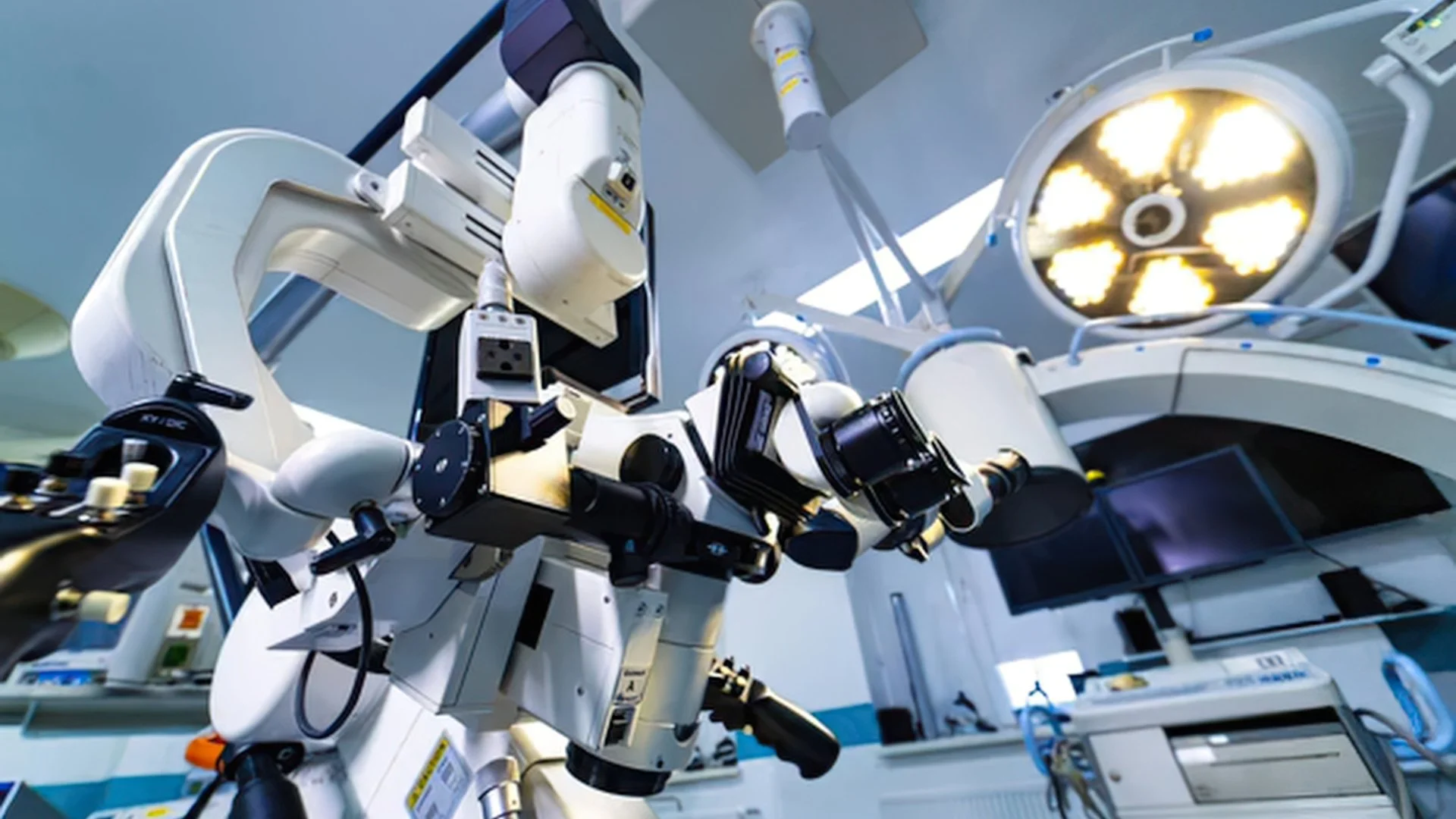
Complete surgical systems
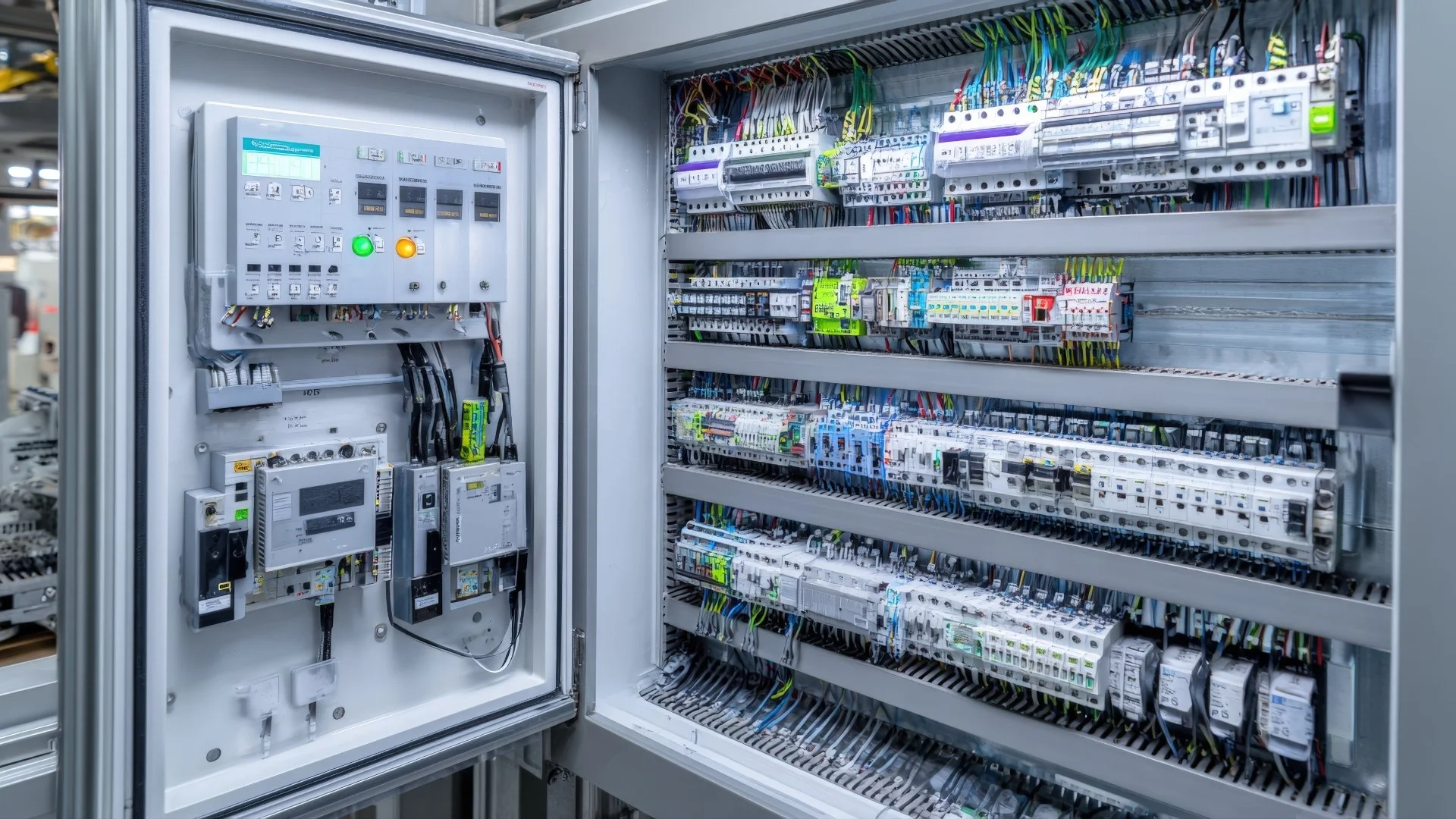
Final assembly, integration and system-level test.
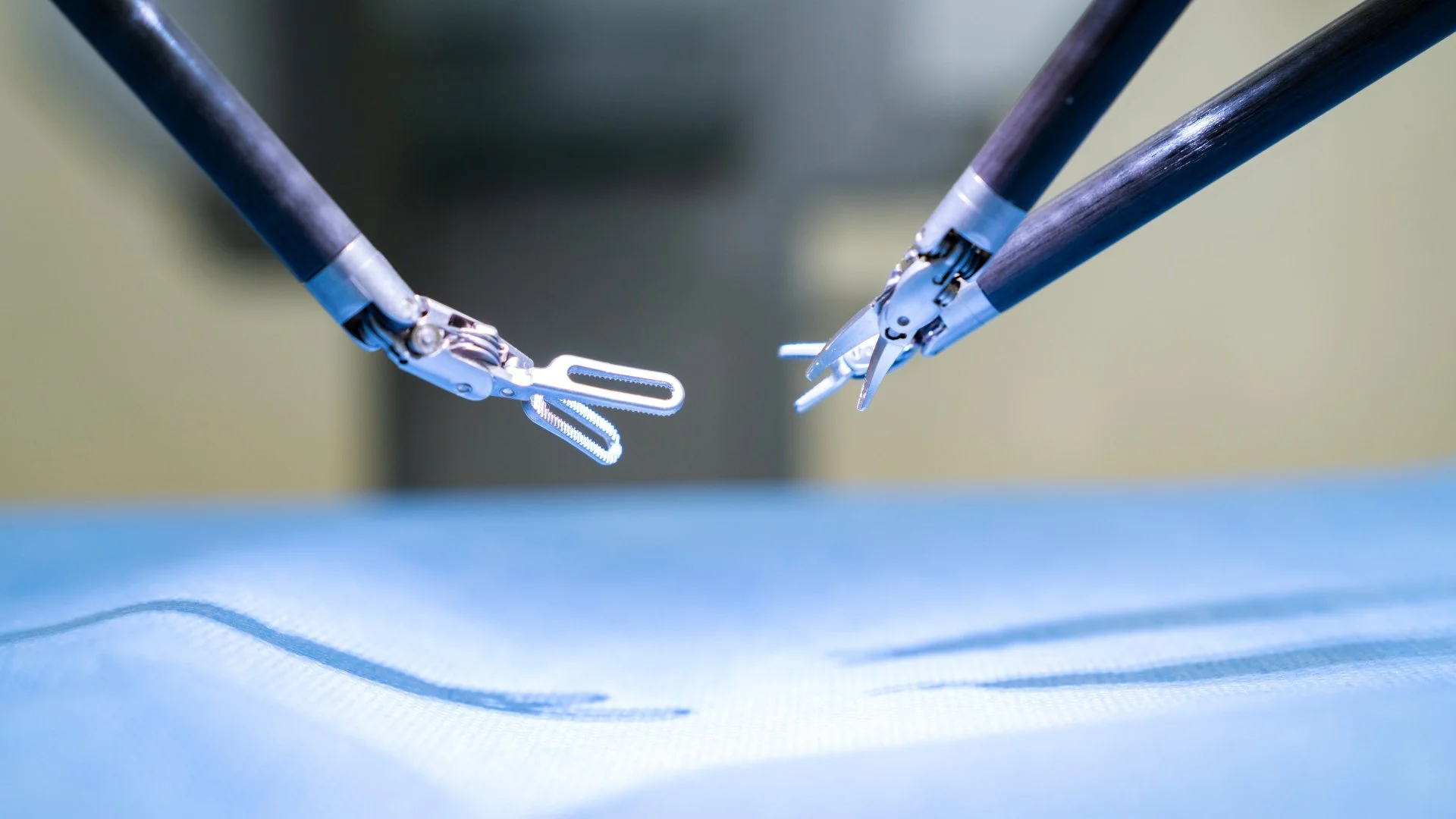
Instrument and end-effector assemblies
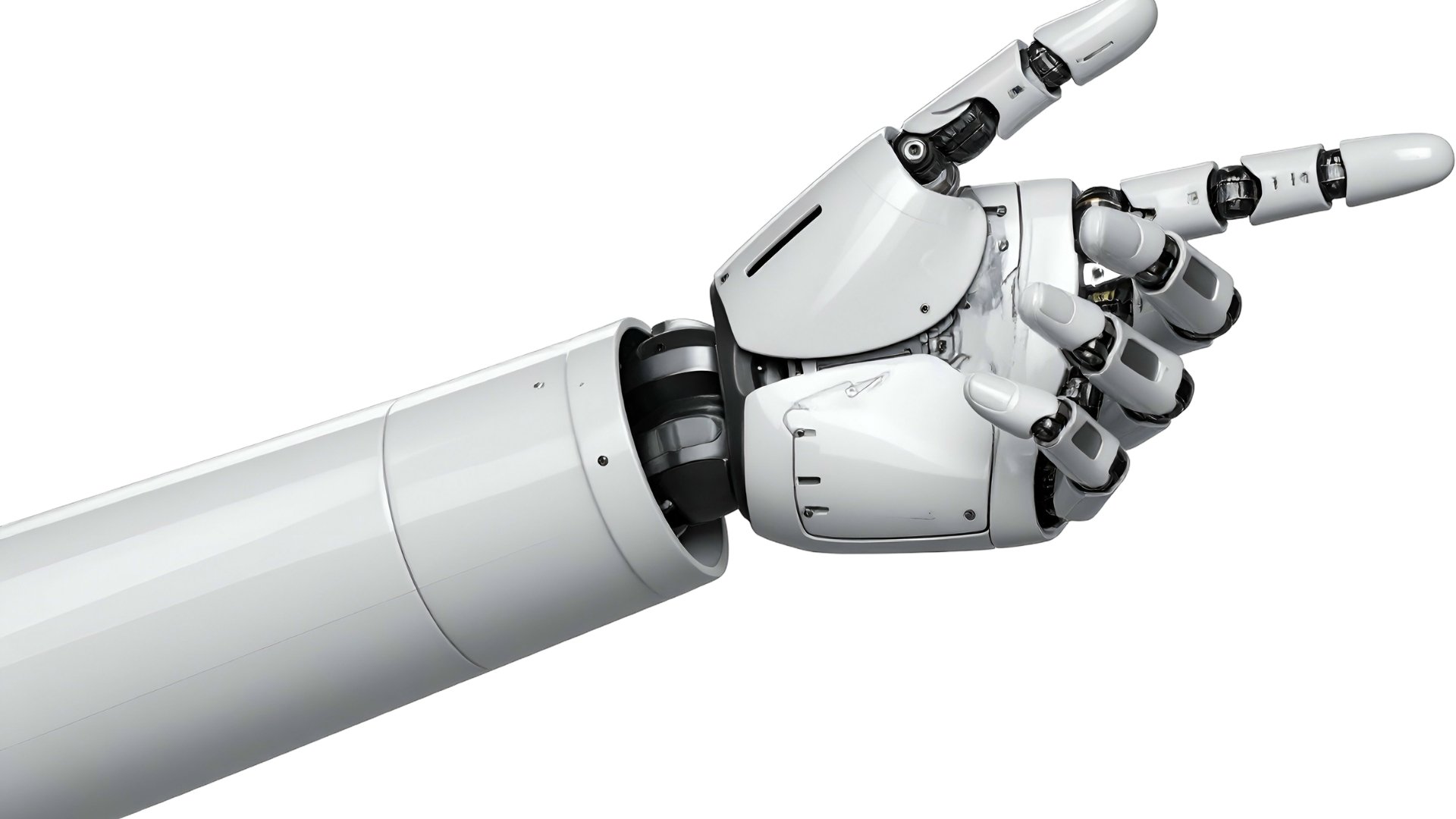
Precision mechanical and motion assemblies.
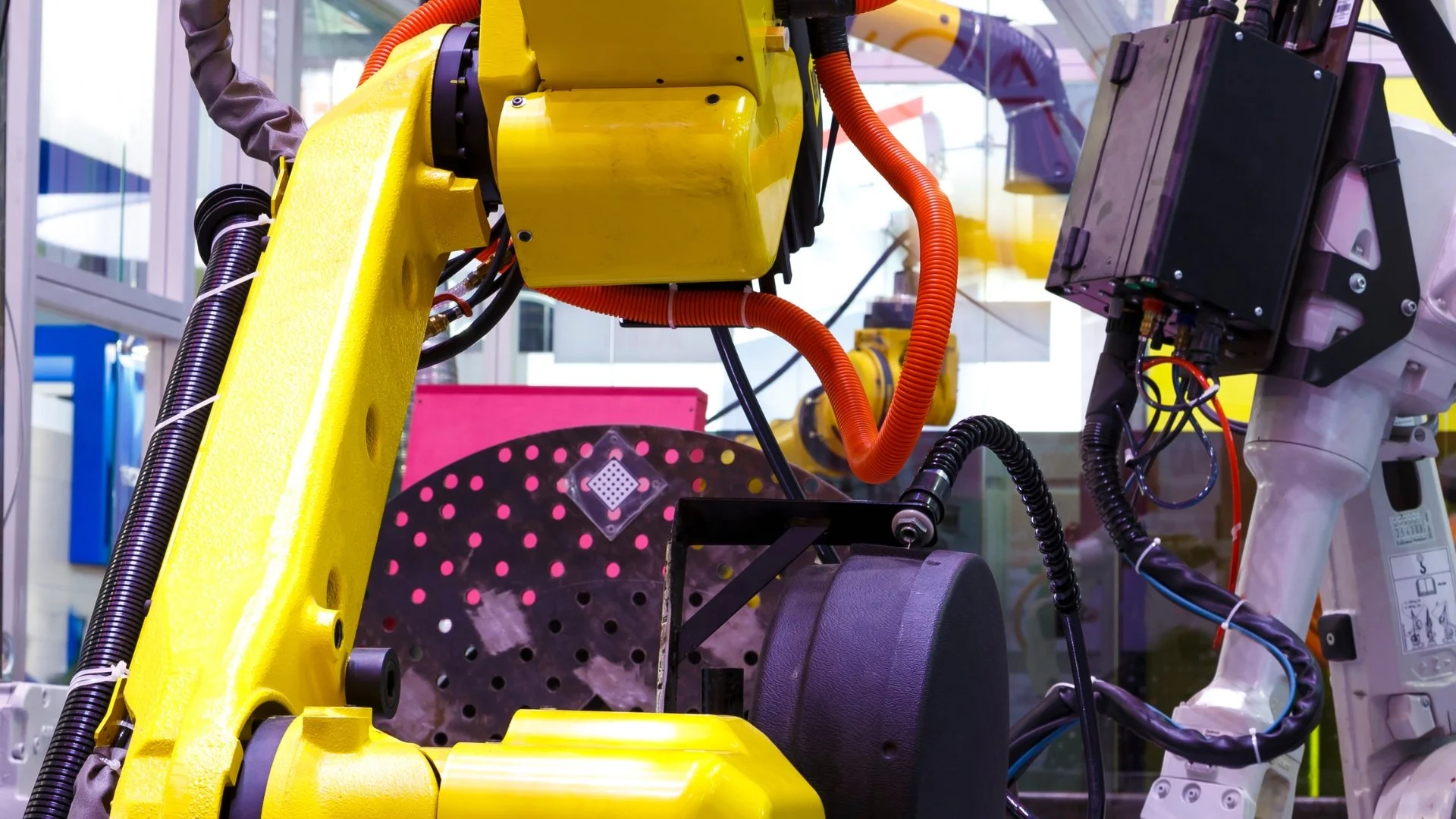
Robotic arms and joints
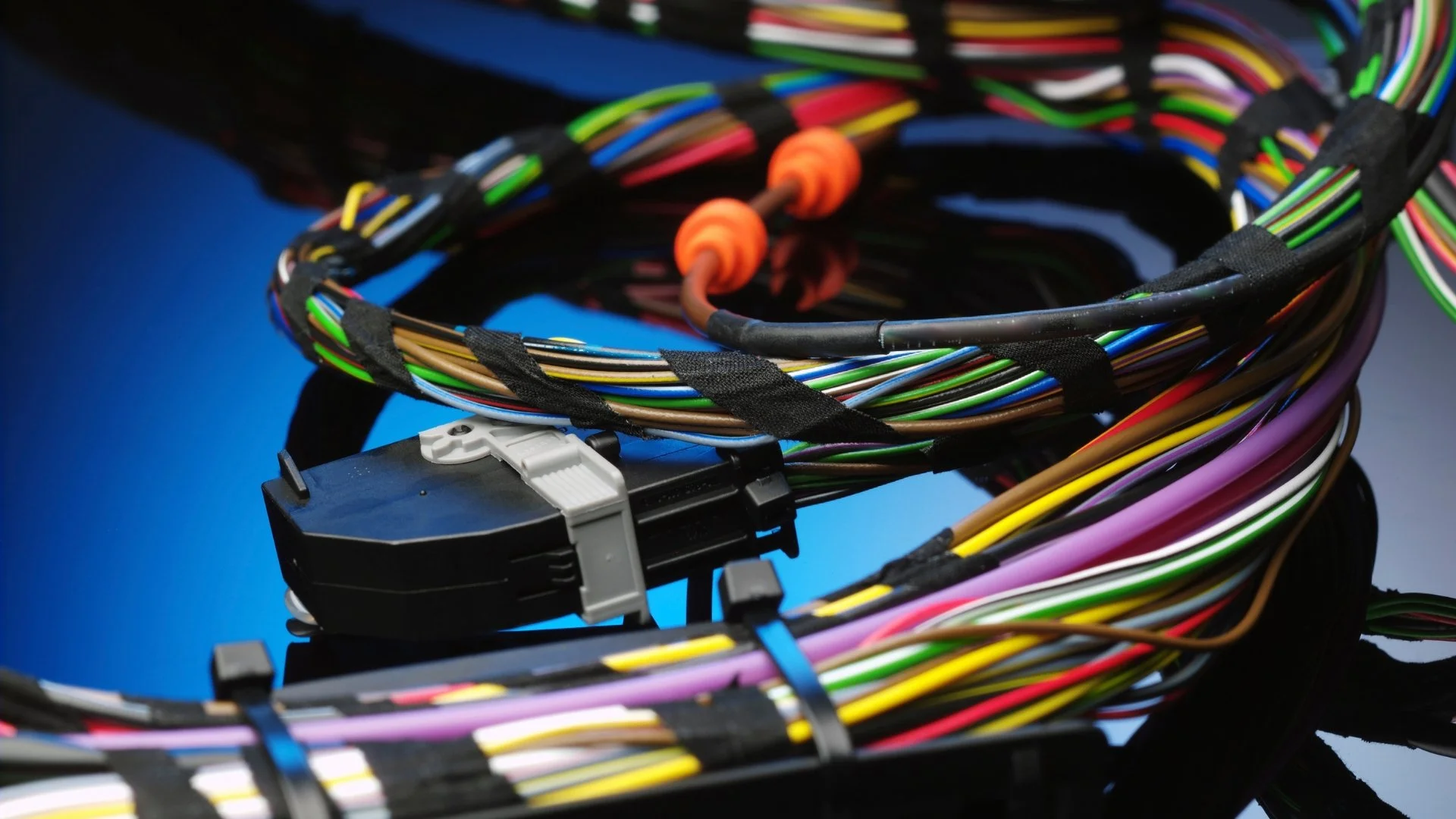
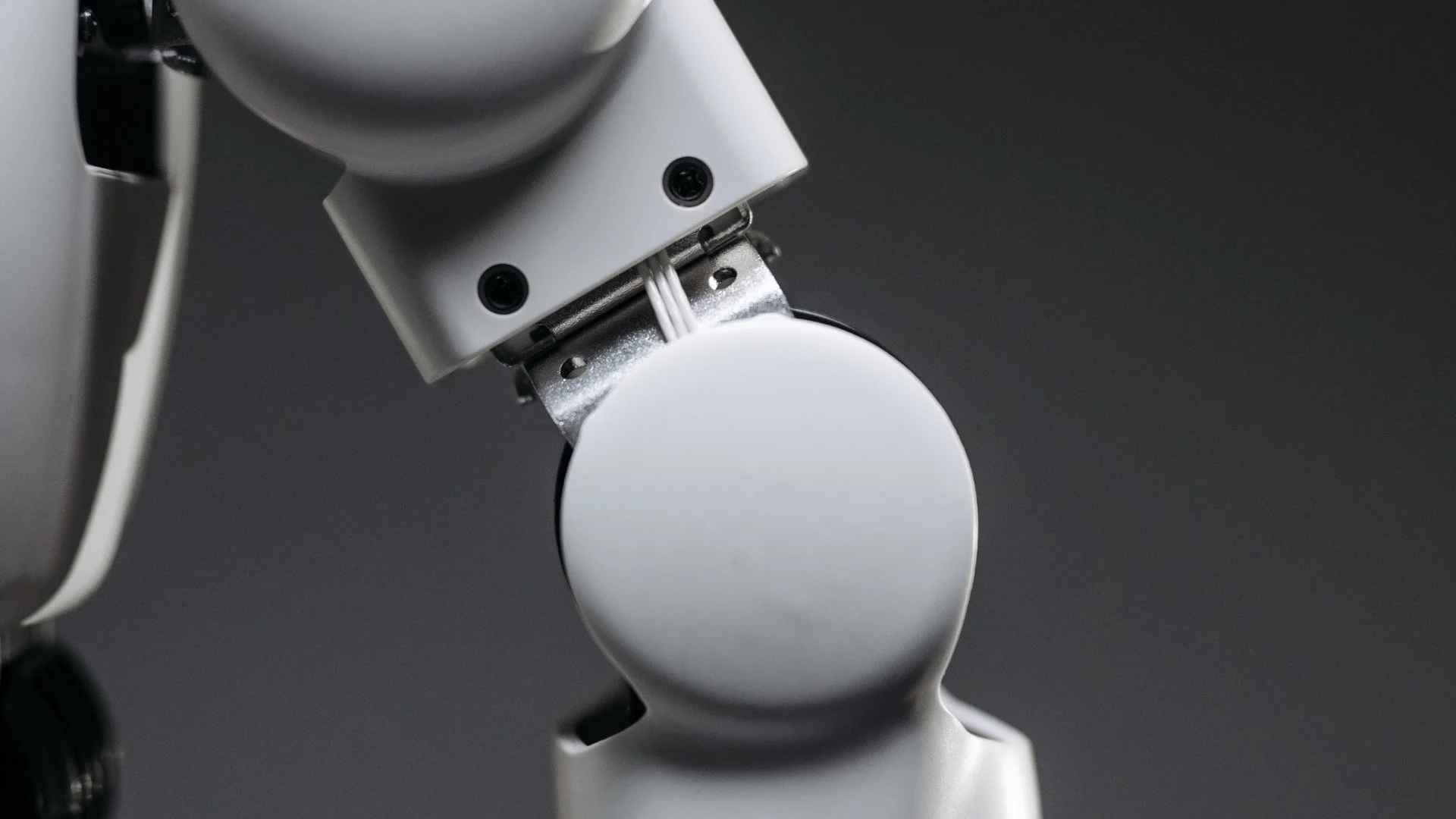
Joint assembly, cable routing and actuator integration.
One audited quality system
- ISO 9001:2015Quality management system
- ISO 13485:2016Medical devices
- ITAR registeredDefense and aerospace
- UL508A registeredIndustrial control panels
- Clean roomsClass 10,000 to Class 100
Bring us the surgical robot you want built in the U.S.
Share what you need, how many and when. Our team gets back to you shortly.
Questions surgical robotics teams ask us
Is Applied Engineering certified to ISO 13485?
Yes. Our quality management system is certified to ISO 13485:2016 and ISO 9001:2015. The ISO 13485 scope covers contract manufacturing of electronic, pneumatic and mechanical subassemblies for the medical device industry, built to customer specifications.
What is outside the scope of your medical device work?
We build to your design and are not responsible for product design. We do not perform sterilization or provide an aseptic environment, and we do not perform installation or servicing.
What build records do you keep for each medical product?
Each assembled product has a build record package that serves as its medical device file. It contains or references the product description, specifications and the procedures for manufacturing, packaging, storage, handling and measurement.
How do you validate manufacturing processes?
Every process used for medical devices is validated before first use and revalidated after a change or relocation, following a documented plan with defined requirements and test protocols. Production software used in the quality system is also validated before first use and after each upgrade.
How do you handle complaints and nonconformities?
Every product complaint on a medical component triggers a formal 8D corrective action, checked for any effect on regulatory requirements, safety and performance. When a component needs rework, a manufacturing engineer writes the rework instructions and documents the assessment.
Are incoming parts for medical builds inspected?
Yes. Parts designated for medical builds are always inspected on receipt and never delivered dock-to-stock, even from qualified suppliers. Any part that fails inspection is segregated and dispositioned by our Material Review Board.
What gowning do clean room operators wear?
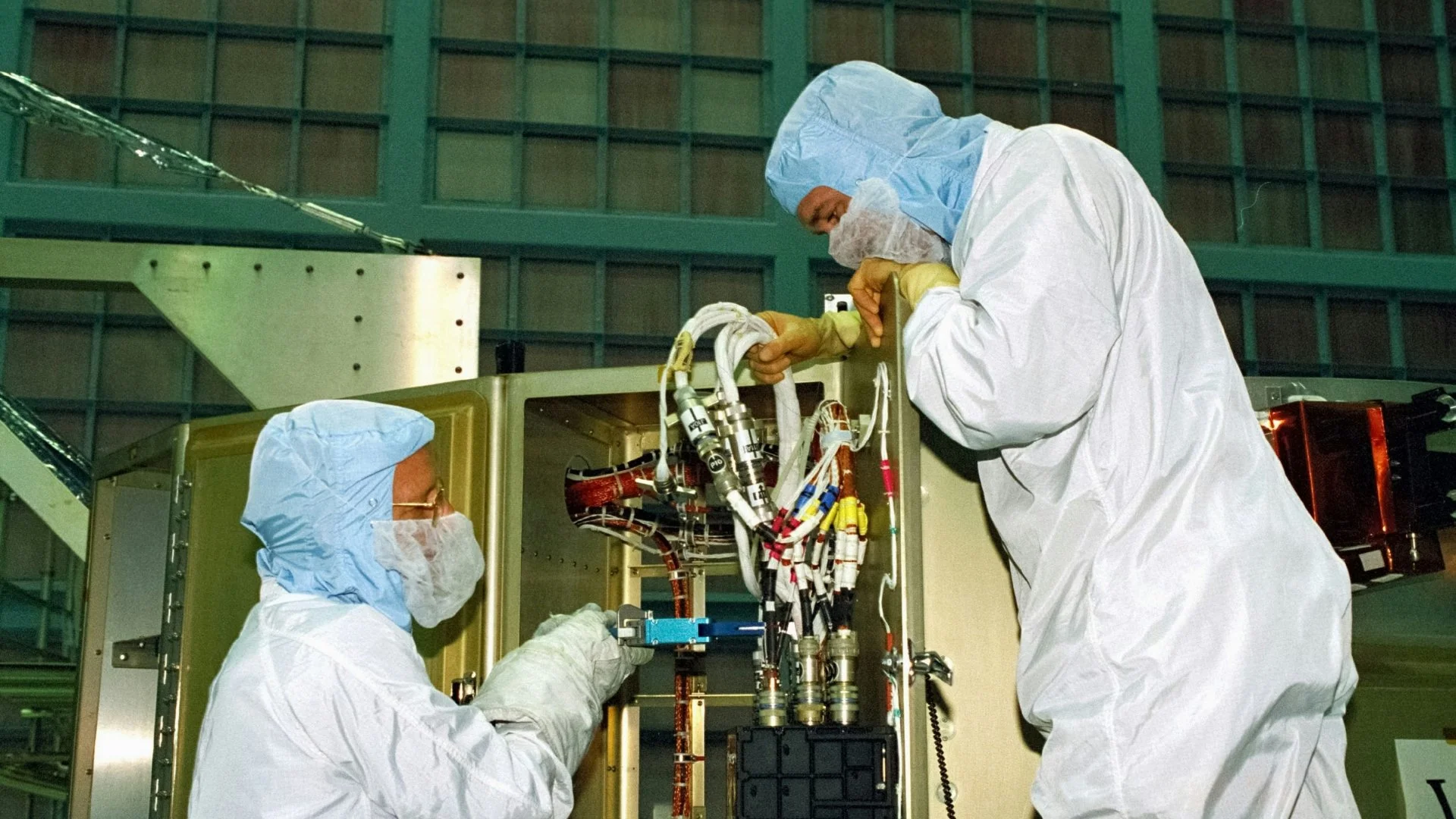
Operators gown from the top down: hair net, face mask, clean room gown, nitrile gloves and shoe covers, with double gloving as best practice. Clean room conditions are certified every year to ISO 14644-1 and monitored daily.
Can you integrate and test the complete robot?
Yes. We build from sub-assemblies up to complete systems and run system-level testing before shipment.